Key Findings
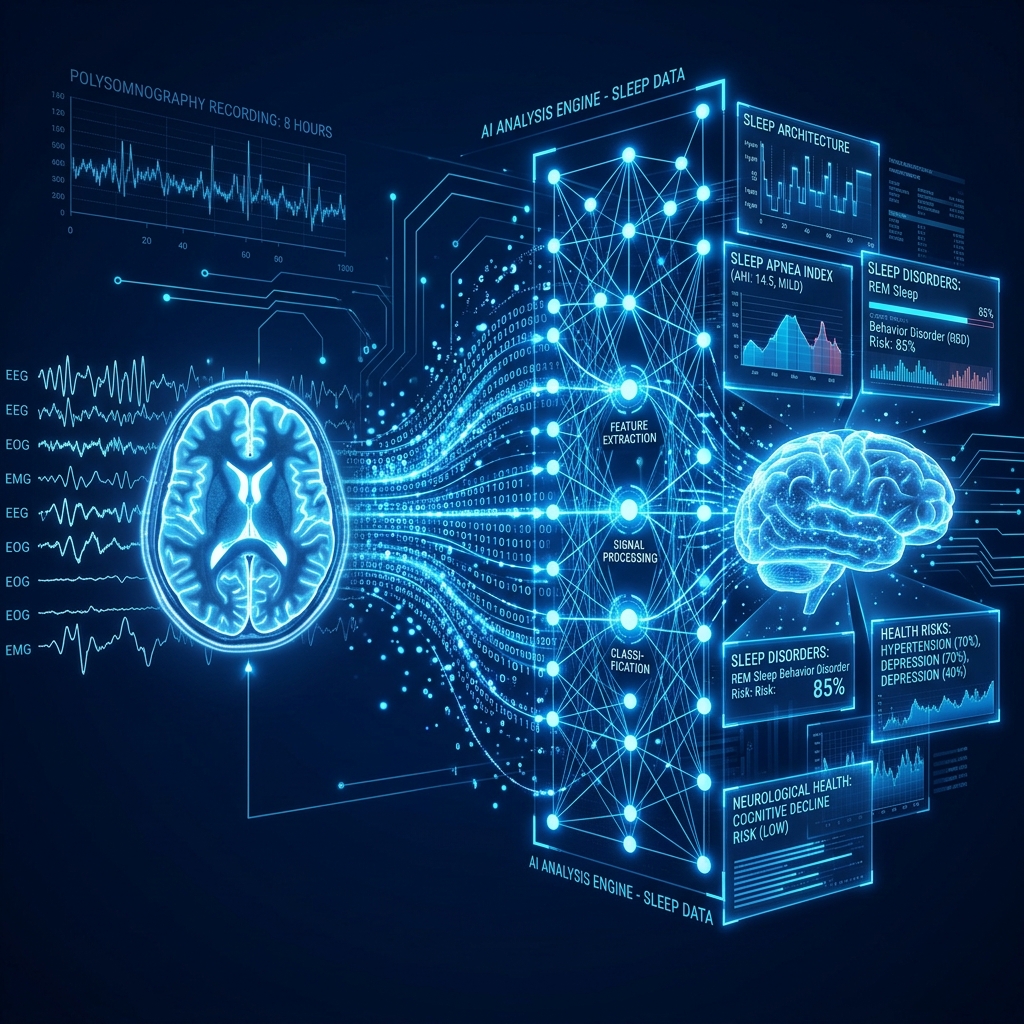
The gut microbiota plays an important role in the regulation of physiological and behavioral functions, including cognition. Growing evidence suggests that alterations in microbial composition can disrupt memory processes, in part through bidirectional communication along the gut-brain axis, although additional mechanisms cannot be excluded. Both sleep deprivation and sleep fragmentation are known to impair memory consolidation. In this review, we examine how these sleep disturbances influence the gut microbiota and, through this pathway, affect cognitive function. Studies in humans and animal models demonstrate that sleep loss can induce dysbiosis, promote systemic inflammation, impair intestinal barrier integrity, and activate pro-inflammatory pathways in the central nervous system. Specific microbial profiles have been associated with distinct cognitive domains, particularly in older adults, suggesting that the gut microbiota may modulate memory and attention through the production of neuroactive metabolites such as short-chain fatty acids. Obstructive sleep apnea, a condition characterized by sleep fragmentation, has also been linked to distinct patterns of dysbiosis, including reduced microbial diversity and increased abundance of pro-inflammatory species. Interventions involving probiotics, prebiotics, postbiotics, and melatonin have shown promise in restoring microbial balance and improving cognitive outcomes. Therefore, the gut microbiota represents a relevant therapeutic target for mitigating the neurocognitive effects of sleep disturbances. However, longitudinal studies incorporating objective sleep measurements and rigorous control of confounding variables are still needed to validate this hypothesis. This review highlights current evidence linking sleep loss, gut microbiota, and cognition, and underscores the need for mechanistic and translational studies to better understand and address cognitive decline associated with chronic sleep disruption.
Why This Matters for Body-Mind Practice
[Draft — editorial context needed]
Source
- Cognition in the time of dysbiosis: Sleep disruption and the gut-brain dialogue. — Progress in neuro-psychopharmacology & biological psychiatry