Key Findings
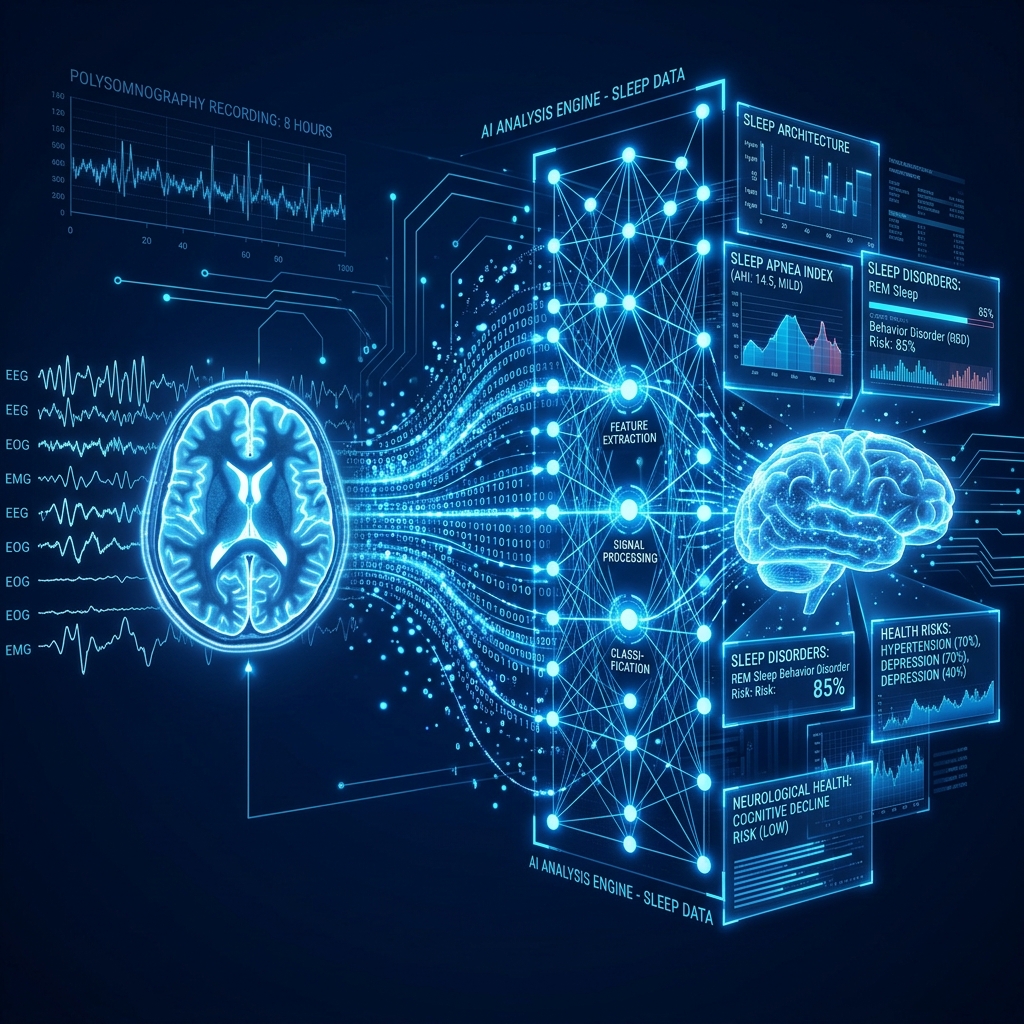
This study quantified sleep resilience in insomnia disorder (ID) by examining the brain's ability to resist, contain, and recover from auditory perturbations during nocturnal sleep. 58 ID patients and 43 healthy controls underwent real-time staged nocturnal recordings with event-locked auditory stimulation. Neural responses were evaluated using evoked complexity, P300, event-related phase-amplitude coupling (ERPAC), and coupling pattern diversity. Compared with controls, ID patients showed elevated evoked complexity and enlarged P300 responses, especially in N3 sleep, indicating reduced resistance to disturbance. ID patients also exhibited stronger fronto-parietal ERPAC during the middle post-stimulus window, suggesting impaired containment. These abnormalities weakened in the late window, consistent with relatively preserved recovery. In conclusion, ID is marked by impaired sleep resilience, particularly in deep sleep, and sleep resilience may provide useful objective markers of nocturnal instability.
Why This Matters for Body-Mind Practice
[Draft — editorial context needed]