The Grant
The National Institute of Mental Health (NIMH) has awarded $4.2 million to a consortium led by the Medical University of South Carolina for a Phase II randomized controlled trial of transcutaneous auricular vagus nerve stimulation (taVNS) in treatment-resistant depression (TRD).
The trial will enroll 180 participants across three sites who have failed at least two adequate antidepressant trials. Participants will receive either active taVNS or sham stimulation for 12 weeks, with the primary outcome being change in Montgomery-Åsberg Depression Rating Scale (MADRS) scores.
Why This Matters
Treatment-resistant depression affects approximately 30% of people with major depressive disorder — roughly 5 million Americans. Current options are limited to ketamine/esketamine, electroconvulsive therapy (ECT), and transcranial magnetic stimulation (TMS) — all of which require clinical settings and carry significant cost or side effect burdens.
taVNS is different. It's a non-invasive, at-home device that stimulates the auricular branch of the vagus nerve through the ear. If the trial confirms efficacy, it could provide a low-cost, self-administered treatment option for a population with few alternatives.
Previous pilot studies have shown promising signals — a 2024 meta-analysis of 12 taVNS studies found moderate effect sizes for depression (SMD = -0.52) and anxiety (SMD = -0.41) — but no large, well-powered RCT has been completed for TRD specifically.
Connection to Nervous System Science
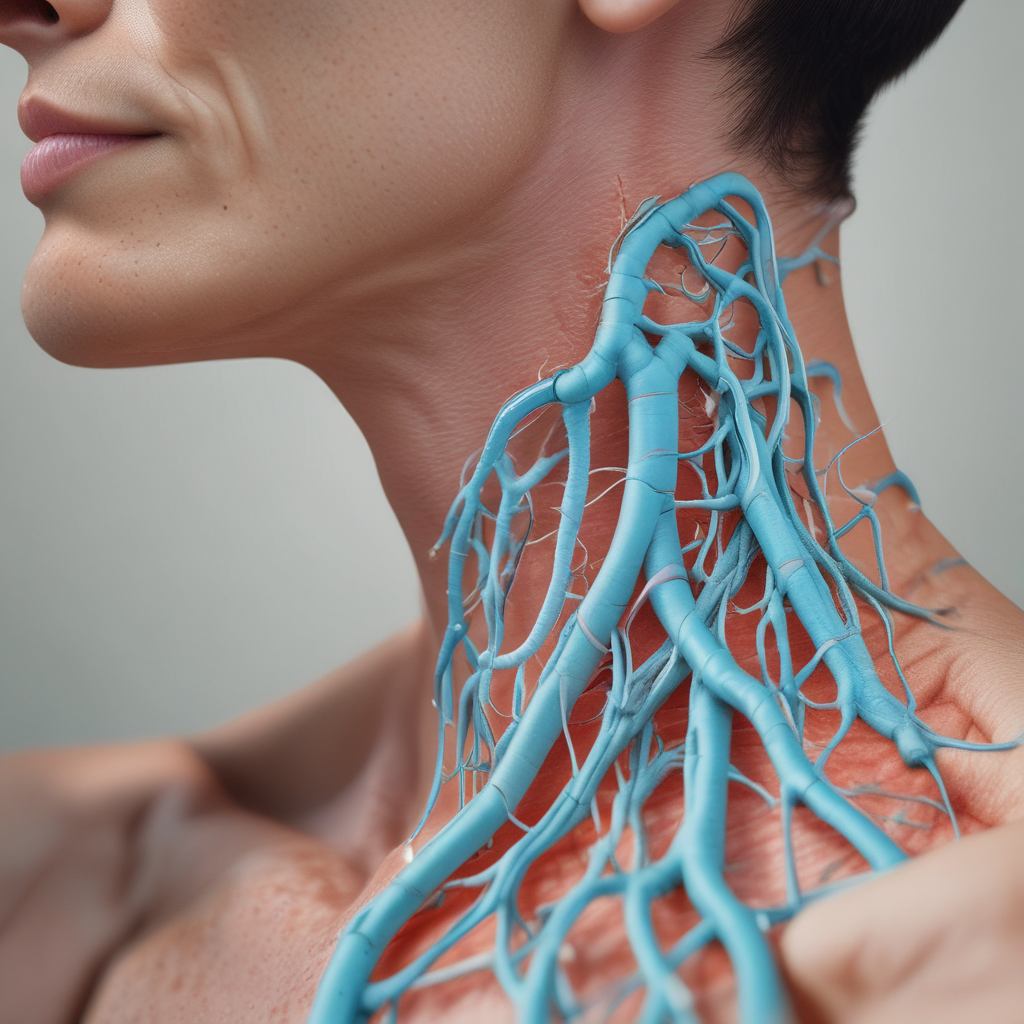
The vagus nerve is the primary pathway connecting the brain to the body's autonomic regulatory systems. In depression, vagal tone is consistently reduced — meaning the parasympathetic "brake" that modulates stress responses is weakened.
taVNS aims to directly increase vagal tone, potentially restoring the autonomic balance that underlies mood regulation. This aligns with growing evidence that depression is not solely a "chemical imbalance" but involves dysregulation of the entire autonomic nervous system.
Trial Details
- Start: September 2026
- Sites: Medical University of South Carolina, Emory University, University of Texas Southwestern
- Duration: 12-week active treatment + 6-month follow-up
- Device: Nemos taVNS (CE-marked, not yet FDA-cleared for depression)
- Primary outcome: MADRS score change at week 12
If successful, this trial could pave the way for FDA clearance of the first at-home neurostimulation device for treatment-resistant depression.