Key Findings
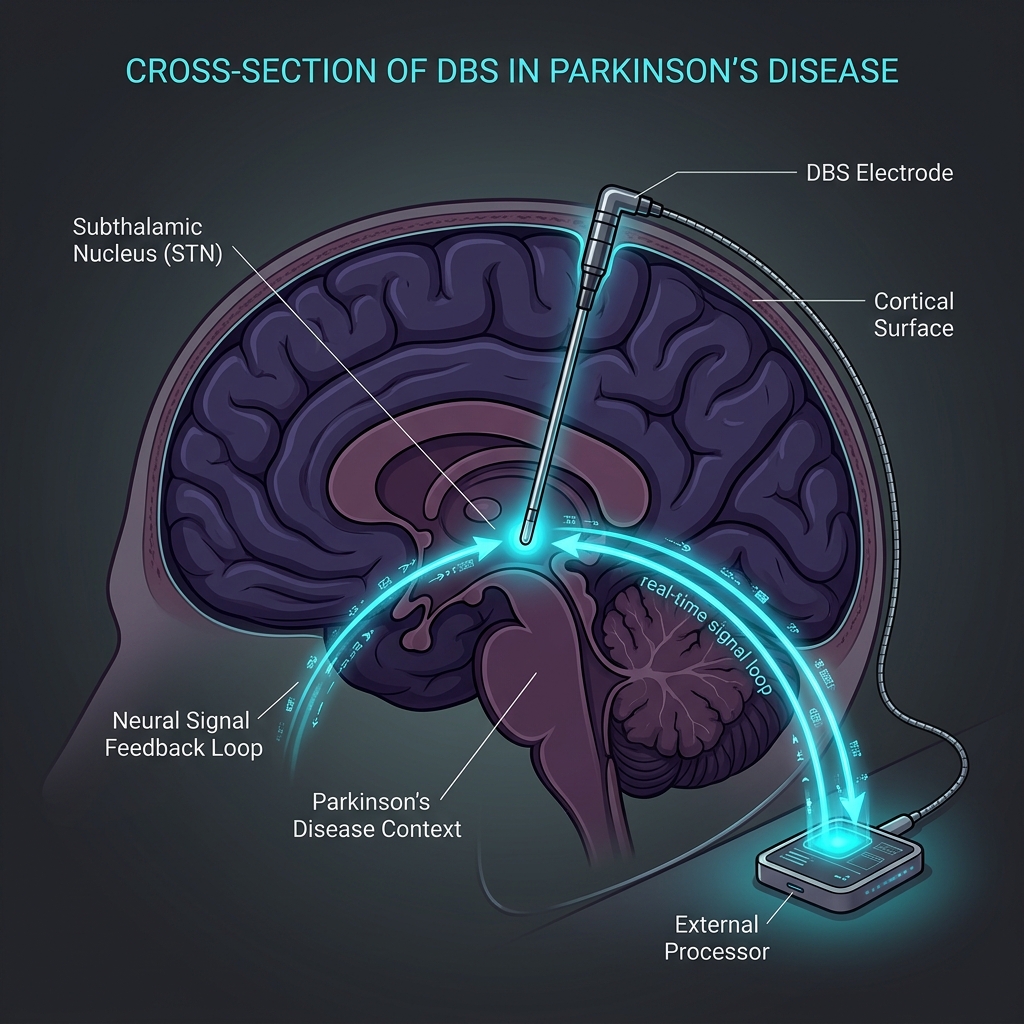
Super-refractory status epilepticus (SRSE) is a life-threatening neurological emergency associated with high morbidity and mortality. Although medical management remains the cornerstone of treatment, selected patients may benefit from surgical or neuromodulatory interventions. The role of surgery in SRSE remains incompletely defined, and the available evidence is largely limited to case reports, case series, and recent systematic reviews. We conducted a structured narrative review of the literature using PubMed, ScienceDirect, SciELO, and Google Scholar. Articles published in English or Spanish after 2000 addressing surgical or neuromodulatory treatment strategies for SRSE were included. Evidence related to refractory status epilepticus (RSE) was considered when relevant to timing of intervention, patient selection, or progression toward SRSE. Both resective/disconnective procedures and neuromodulation techniques (VNS, RNS, DBS) were evaluated. Methodological quality was assessed using the CARE checklist for case reports and AMSTAR-2 for systematic reviews. Thirty-three studies were included, comprising case reports and systematic reviews involving both adult and pediatric populations. Resective and disconnective procedures appeared to provide the most rapid and consistent SRSE termination in patients with well-defined epileptogenic lesions and were frequently associated with rapid termination of SRSE. Neuromodulation techniques demonstrated more variable and delayed responses but provided meaningful clinical benefit in selected patients with diffuse or poorly localized epileptogenic networks. Vagus nerve stimulation was the most frequently reported neuromodulation strategy, while responsive neurostimulation and deep brain stimulation showed promising results in focal and network-related epilepsies. Across studies, favorable long-term seizure outcomes were reported in a substantial proportion of surviving patients, although interpretation is limited by study heterogeneity, publication bias, and inconsistent outcome reporting. The current evidence, although limited by the low overall quality of the available studies and heterogeneity of the populations, suggests that surgical intervention may represent a valuable therapeutic option in carefully selected patients with SRSE, particularly when a focal epileptogenic lesion can be identified. Neuromodulation may serve as a rescue or palliative strategy in diffuse or non-resectable cases. Early multidisciplinary evaluation in specialized epilepsy surgery centers may be critical for optimizing outcomes. Surgical and neuromodulatory interventions may play an important role in selected patients with SRSE refractory to medical therapy. However, the available evidence remains limited and heterogeneous. Further multicenter prospective studies are needed to better define patient selection, timing of intervention, and long-term outcomes.
Why This Matters for Body-Mind Practice
[Draft — editorial context needed]