Key Findings
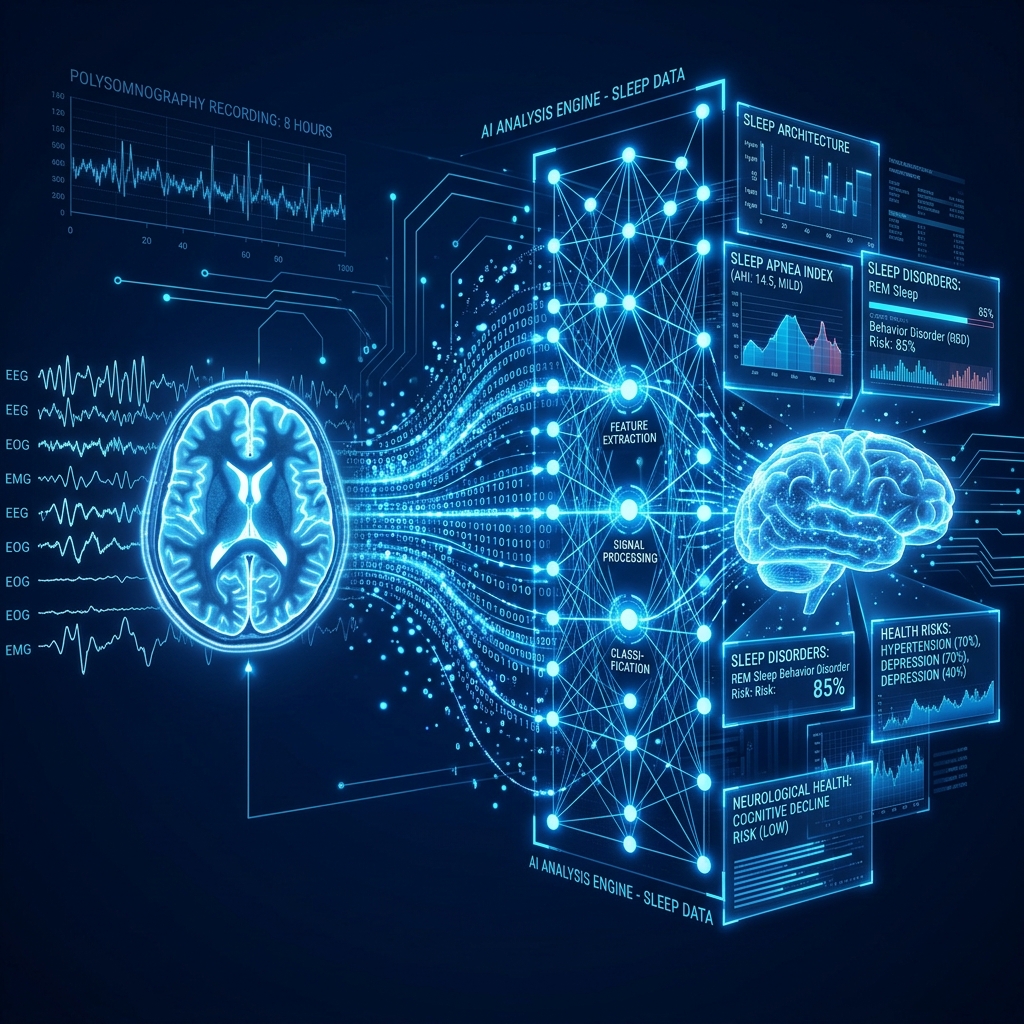
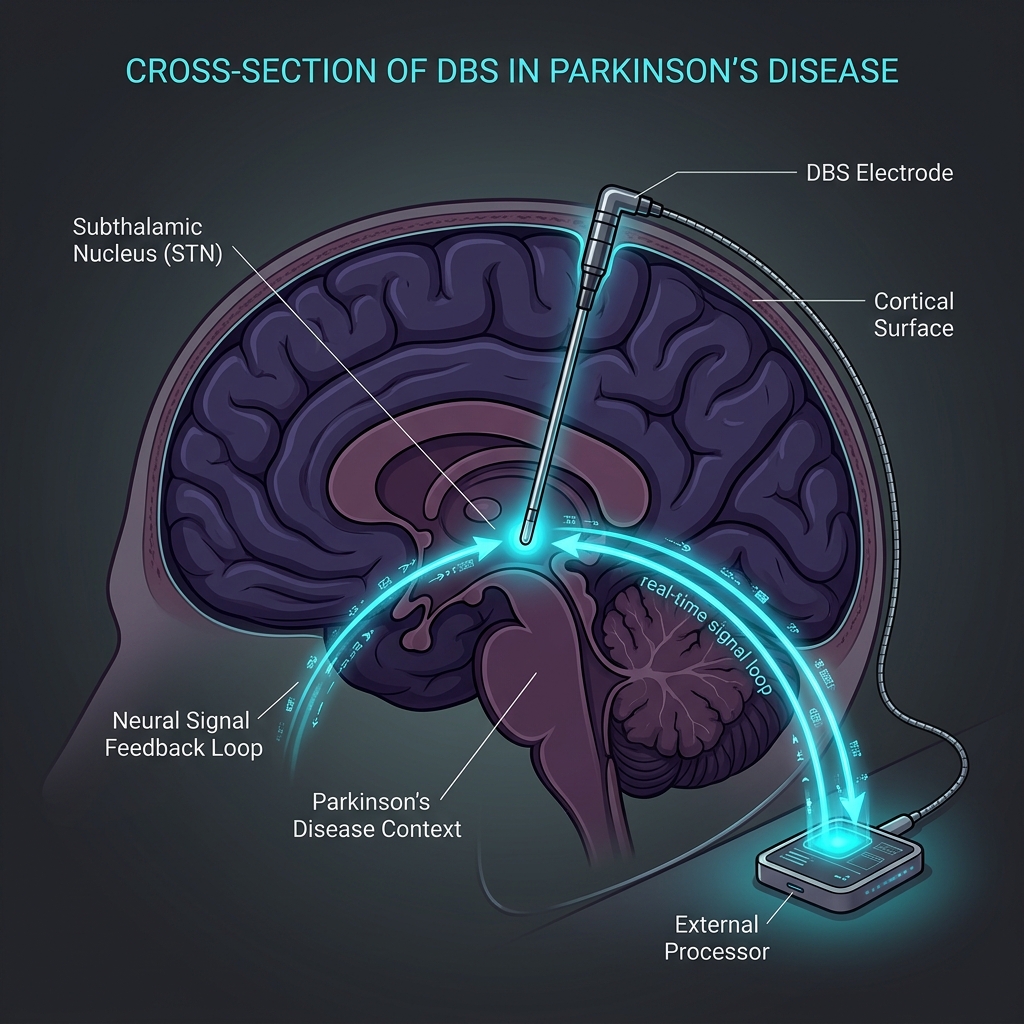
Sleep plays a crucial role in memory consolidation, particularly for complex, hippocampal-dependent tasks, such as associating faces with names. While numerous studies have examined the impact of sleep on memory, the specific effects on episodic face recognition, perceptual face processing, and the underlying neural mechanisms remain unclear. Thus study was designed to systematically evaluate the role of sleep in face recognition memory, learning, and consolidation in humans. A systematic search of PubMed, Google Scholar, Embase, Scopus, and Web of Science identified English-language, peer-reviewed studies published up to February 5, 2026. The authors independently screened articles, extracted data, and cross-verified results. The review adhered to PRISMA guidelines to maintain methodological rigor and transparency. Across 19 included studies, overnight sleep, post-learning sleep, and targeted naps showed the strongest benefits for face-related learning and memory, particularly in associative and hippocampal-dependent tasks, such as face-name and face-face memory. Slow-wave sleep/N3 and targeted memory reactivation were associated with improved cued face-name recall, while REM sleep and sleep spindles appeared to contribute to implicit face priming, emotional face memory, and adaptive face-learning processes. Sleep deprivation and sleep restriction generally impaired face-memory performance, particularly when tasks required episodic retrieval, associative binding, emotional discrimination, or sustained cognitive control. In contrast, simpler face-recognition or familiarity-based tasks showed weaker and less consistent sleep-related effects, often suggesting protection against forgetting or interference rather than robust memory enhancement. Sleep mainly benefits face learning when tasks require binding, episodic retrieval, emotional processing, or consolidation, while simple familiarity recognition shows weaker effects. PRKN-related early-onset Parkinson disease (PARK-PRKN) is characterized by the cardinal signs of Parkinson disease (PD): bradykinesia, resting tremor, and rigidity. The median age at onset is 31 years (range: 1-84 years). The disease is slowly progressive: a disease duration of more than 60 years has been reported. Clinical findings vary; hyperreflexia is common. Lower-limb dystonia may be a presenting sign and cognitive decline appears to be no more frequent than in the general population. Dyskinesia as a result of treatment with levodopa frequently occurs. The diagnosis of PARK-PRKN is established in a proband with suggestive findings and biallelic pathogenic variants in PRKN identified by molecular genetic testing. Treatment of manifestations: Levodopa and dopamine receptor agonists, monoamine oxidase type B inhibitors, catechol-O-methyltransferase inhibitors, amantadine, adenosine A2A receptor antagonists, anticholinergics; exercise as tolerated (aerobic, strength building, and integrative); physical and occupational therapy; speech and voice therapy; deep brain stimulation for those experiencing difficulty with levodopa therapy; symptomatic treatment of constipation; urology management of genitourinary manifestations; sleep aids, minimizing caffeine, good sleep hygiene, and light therapy for sleep problems; standard treatment of orthostatic hypotension; cognitive behavioral therapy, pharmacologic treatment, and/or cholinesterase inhibitor as needed for dementia. Surveillance: Neurologic examination and assessment of autonomic function and cognitive issues every six to 12 months. Agents/circumstances to avoid: Use of levodopa therapy that exceeds the dose needed for satisfactory clinical response. Neuroleptic treatment may exacerbate parkinsonism. Dopamine-blocking therapies (both typical and atypical dopamine-blocking psychiatric medications as well as dopamine blockers for gastrointestinal causes) may exacerbate parkinsonism in individuals with PARK-PRKN and should be avoided, when possible. PARK-PRKN is inherited in an autosomal recessive manner. If both parents are known to be heterozygous for a PRKN pathogenic variant, each sib of an affected individual has at conception a 25% chance of being affected, a 50% chance of being heterozygous, and a 25% chance of inheriting neither of the familial PRKN pathogenic variants. Once the PRKN pathogenic variants have been identified in an affected family member, heterozygote testing for at-risk relatives and prenatal/preimplantation genetic testing are possible.
Why This Matters for Body-Mind Practice
[Draft — editorial context needed]
Source
- The role of sleep in strengthening face learning and memory consolidation: A systematic review. — Cognitive, affective & behavioral neuroscience