Overview
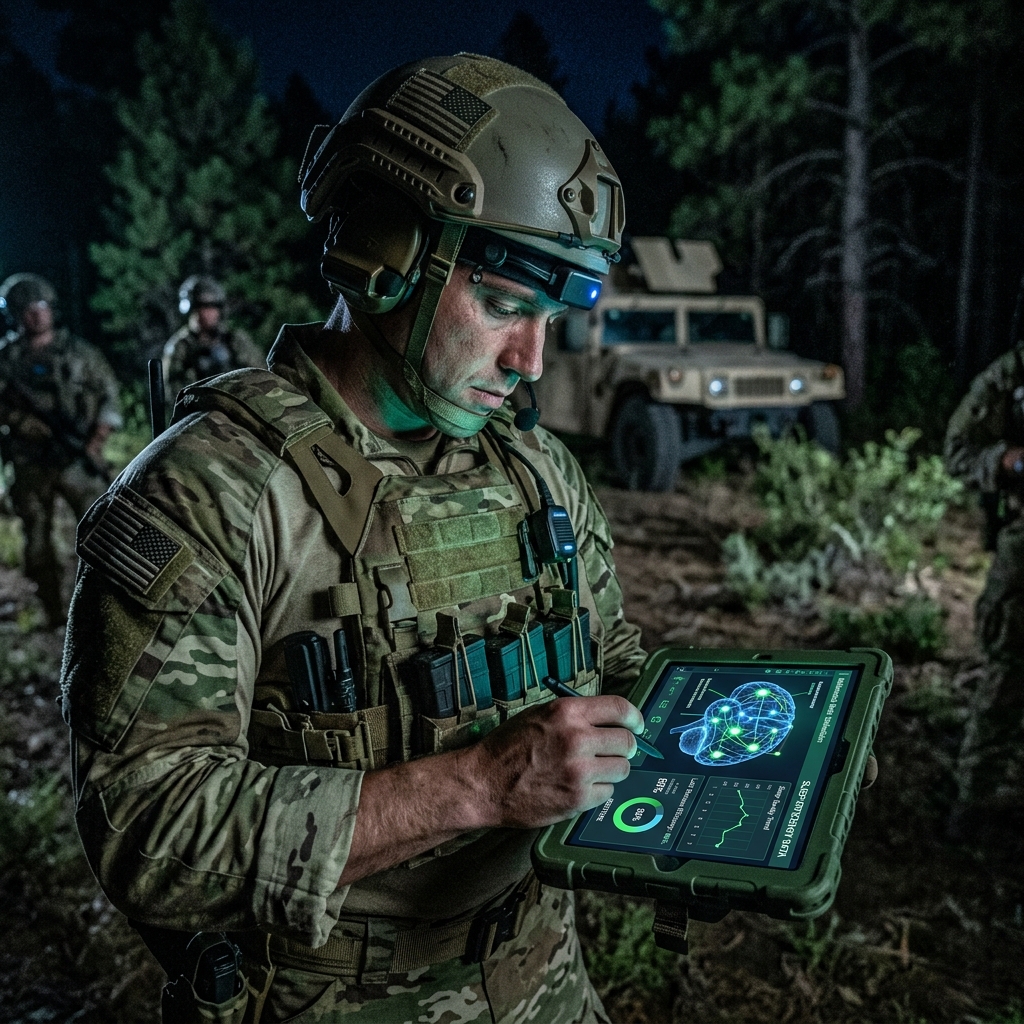
DARPA's Biological Technologies Office (BTO) has announced the RESTORE (Rapid Enhancement of Sleep Through Optimized REcovery) program, targeting the development of non-invasive neuromodulation technologies that can accelerate recovery from acute and chronic sleep deprivation in operational military environments. The program funds research into multimodal brain stimulation — combining transcranial electrical stimulation, focused ultrasound, and photobiomodulation — to enhance slow-wave sleep efficiency and reduce the cognitive penalty of restricted sleep schedules.
Awards range from $1.5 million to $8 million over 24 to 42 months, with Phase I focusing on laboratory validation and Phase II requiring field-environment testing with active-duty military populations. The program specifically seeks technologies that are portable, require no specialized training to operate, and can be integrated into existing military sleep systems.
Technical Priorities
- Slow-wave sleep enhancement — increasing the proportion and intensity of N3 sleep within constrained sleep windows
- Closed-loop sleep architecture optimization — real-time EEG monitoring with adaptive stimulation delivery
- Cognitive performance recovery metrics — demonstrating measurable improvement in reaction time, decision-making, and sustained attention after sleep-restricted periods
- Ruggedized wearable form factors — devices that function in austere field conditions with minimal power requirements
Why This Matters for Body-Mind Practice
While targeted at military applications, RESTORE's technical objectives directly address the civilian need for sleep quality optimization under time constraints. The program's focus on enhancing slow-wave sleep efficiency — getting more restorative sleep from fewer hours — has implications for shift workers, new parents, and anyone whose circumstances prevent adequate sleep duration. For body-mind practitioners, the closed-loop sleep technology emerging from this program may eventually complement existing sleep hygiene, breathwork, and autonomic regulation protocols.
Source
- DARPA RESTORE program. — Defense Advanced Research Projects Agency