The Bottom Line
Oura has some of the most validated hardware in the consumer wearable space. The sleep tracking is strong, the temperature data proved genuinely useful during COVID, and the form factor is unmatched. But the breadth of health claims on the website — especially around the Readiness Score and illness detection — extends beyond what the published evidence directly supports.
What It Does
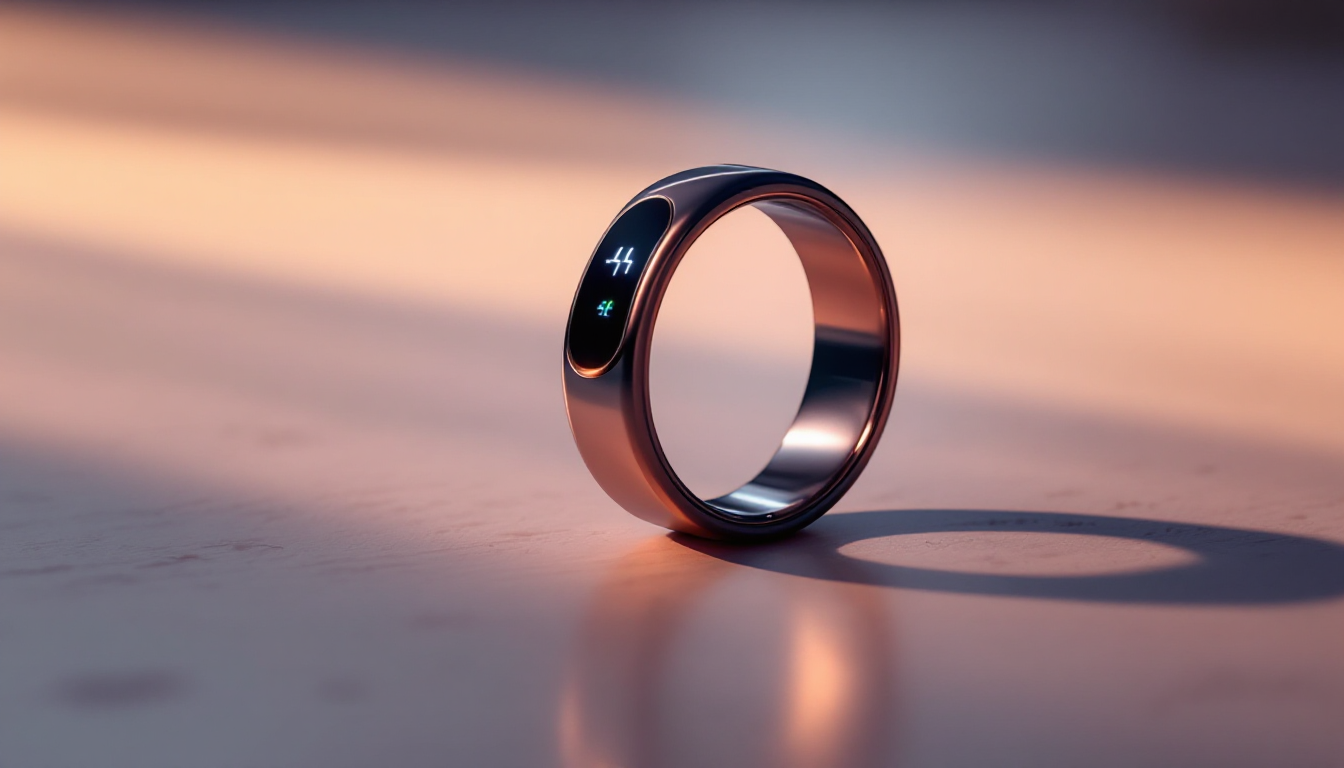
The Oura Ring Gen 3 is a titanium ring that continuously tracks heart rate, HRV, skin temperature, blood oxygen, and movement. It synthesizes this data into three scores: Sleep, Readiness, and Activity. Unlike wrist-worn wearables, the ring's sensors sit against the palmar side of the finger, where arterial signal quality is higher.
Where the Evidence Holds Up
- Sleep tracking validation — Multiple peer-reviewed studies show Oura's sleep staging correlates well with polysomnography for total sleep time and sleep stages
- Temperature tracking — The TemPredict study demonstrated that Oura's continuous temperature data could detect physiological changes associated with COVID-19 onset, published in Scientific Reports
- Sensor placement advantage — The finger provides a cleaner PPG signal than the wrist for resting measurements, which is supported by photoplethysmography literature
- Research volume — Oura has more published peer-reviewed validation studies than most consumer wearables
Where the Evidence Falls Short
- Readiness Score methodology — Like WHOOP's Recovery Score, Oura's Readiness algorithm is proprietary and hasn't been independently validated as a composite metric
- Illness detection claims — While temperature data showed promise during COVID, the broader claim that Oura can detect illness onset hasn't been validated across conditions
- Daytime HR accuracy — Ring-based measurement during activity is less reliable than at rest; Oura's strength is nocturnal data
- Subscription paywall — Core features now require a $6/month Oura Membership, on top of the $300+ ring purchase
Who This Is For
People who want serious sleep and recovery data without wearing a wristband to bed. The ring form factor is Oura's killer feature — it's invisible, comfortable, and captures high-quality nocturnal data. If sleep optimization is your primary goal, Oura is the strongest consumer option.
The Editorial View
Oura earned its reputation through real research and a genuinely novel form factor. But the company's marketing has expanded faster than its evidence base. The ring measures real things, but the scores it generates from those measurements need more independent scrutiny.
Evidence assessment referenced from NORM, an evidence-scoring engine that evaluates the gap between brand claims and publicly available scientific support.


