The Bottom Line
WHOOP is a serious piece of hardware built for serious self-trackers. It captures HRV, sleep staging, and recovery data 24/7 with validated sensors. But the core feature you're paying $30/month for — the Recovery Score — is a proprietary algorithm that no independent researcher has verified.
What It Does
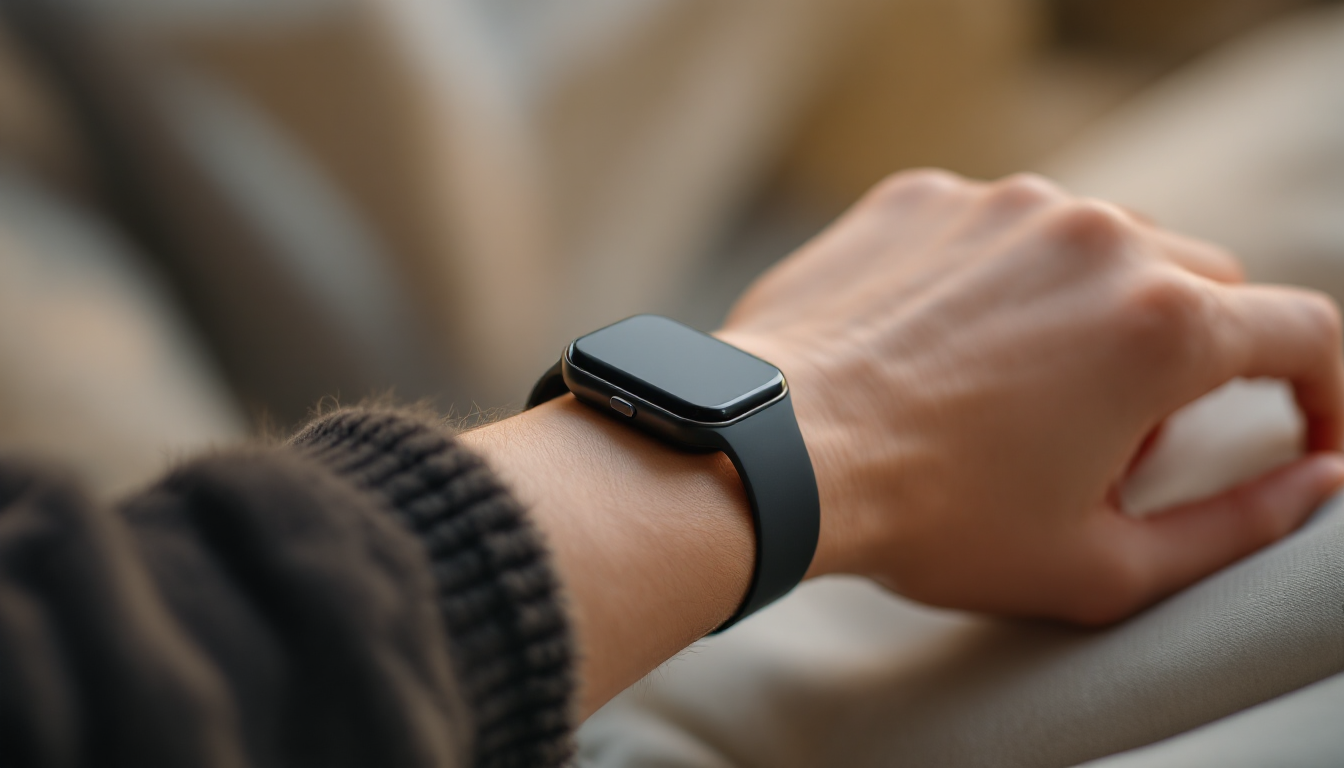
WHOOP 4.0 is a screenless wearable band that continuously tracks heart rate, heart rate variability (HRV), skin temperature, blood oxygen, and respiratory rate. It synthesizes this data into three proprietary scores: Recovery, Strain, and Sleep Performance.
The hardware is legitimate. A published validation study found strong correlation between WHOOP's optical HR sensor and clinical ECG for resting measurements. A 2020 study in Sleep showed sleep staging accuracy that rivaled polysomnography.
Where the Evidence Holds Up
- Validated sensor hardware — The optical heart rate sensor has been tested against clinical ECG with published results
- Sleep staging accuracy — Peer-reviewed comparison against polysomnography shows clinically useful agreement
- Continuous monitoring — 24/7 data capture produces denser datasets than devices that sample periodically
- Academic partnerships — Collaborations with University of Arizona and Harvard Medical School have produced published research
Where the Evidence Falls Short
- Recovery Score is a black box — The signature feature synthesizes HRV, resting heart rate, respiratory rate, and sleep into a single 0-100 number. The algorithm hasn't been published or independently validated
- Strain Coach lacks clinical validation — The claim that following WHOOP's strain recommendations optimizes performance hasn't been tested in a controlled trial
- Marketing outpaces proof — The website makes broad claims about "optimizing performance" and "unlocking human potential" without linking to supporting evidence for these specific outcomes
- Subscription lock-in — At $30/month ($360/year) with no purchase option, WHOOP is the most expensive consumer wearable by total cost of ownership
Who This Is For
WHOOP is built for athletes, biohackers, and nervous system enthusiasts who already know what HRV is and want to track it obsessively. The trend analysis over months is where the real value lives. If you don't know what heart rate variability is, start with the education section of this site before committing.
The Editorial View
WHOOP's hardware is solid. The sleep tracking is validated. But for a company that positions itself as data-driven and scientific, the refusal to publish the Recovery Score methodology is the defining gap. You're paying for a number without knowing how it's calculated.
Evidence assessment referenced from NORM, an evidence-scoring engine that evaluates the gap between brand claims and publicly available scientific support.


