Key Findings
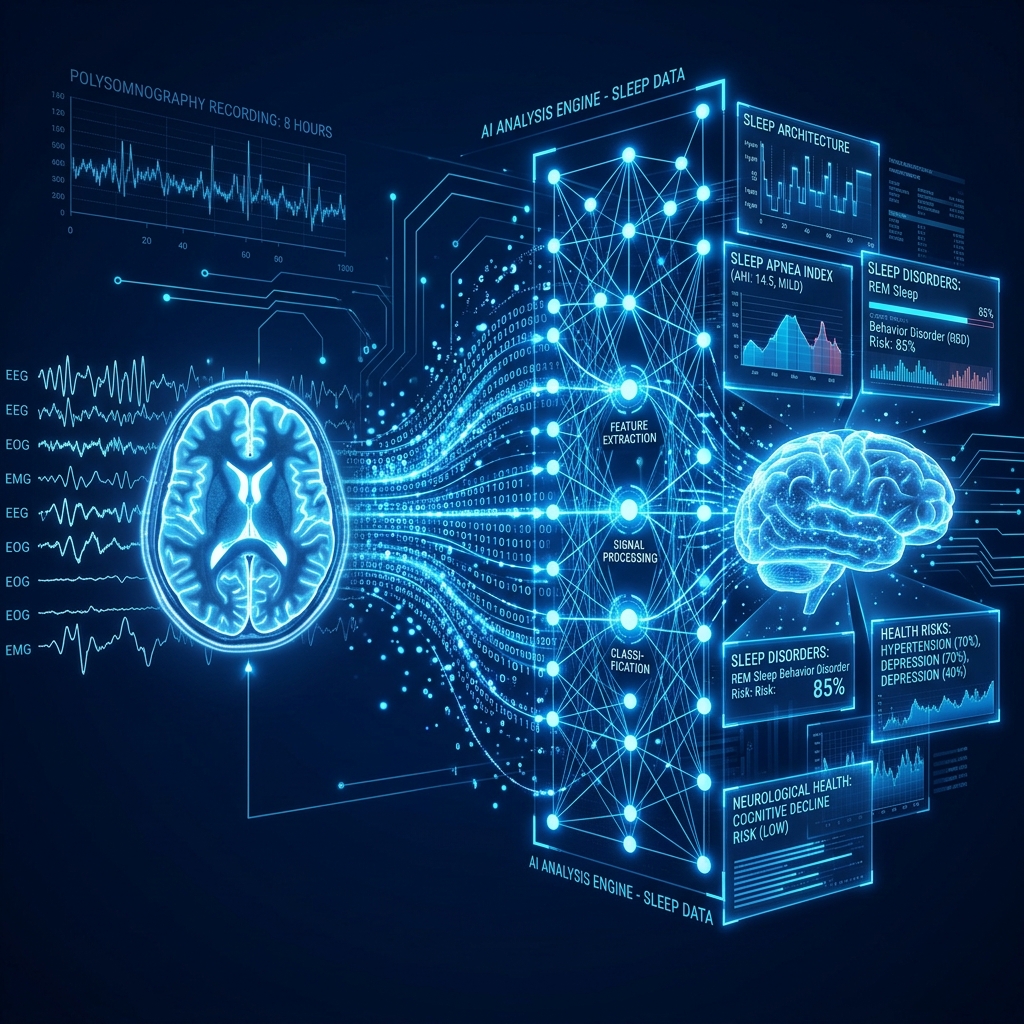
Ketamine exerts rapid, long-lasting antidepressant effects after a single administration and thus overcomes the limitations of classic drugs, but also induces psychomimetic effects. It is, therefore, essential to delve deeper into its mechanisms of action to optimize its use as an antidepressant. With this aim, we examined, in male mice, the temporal evolution of the antidepressant-like and psychomimetic effects of 5 and 30 mg/kg of ketamine. In addition, the electrical activity and the expression of the plasticity-related molecules in both the ventromedial prefrontal cortex and the dorsal hippocampus were measured. Ketamine induced immediate psychomimetic behaviors. These were milder and shorter at the 5 mg/kg dose, with both doses showing equivalent antidepressant-like effects at 2 and 24 h. Both doses evoked a short-lasting electrical pattern that was dose-dependent, characterized mainly by increased synchronized gamma, excitatory/inhibitory balance, synchronized theta, phase-amplitude coupling, and decreased mutual information in slow (SW), beta, and theta waves. The higher dose led to longer-lasting changes. The most significant were decreased SW and beta, and increased gamma and communication in theta and beta. Both doses altered sleep architecture at 24 h and the expression of AKT, pAKT, pAKT/AKT, pERK/ERK, and p-mTOR/mTOR at 2 and 24 h. Given their temporal association, decreased SW and beta mutual information, changes in hyperexcitability, and gamma and theta activity may be biomarkers of ketamine's psychomimetic effects. However, changes in sleep architecture and the expression of plasticity proteins, along with delayed increased raw information, gamma, and excitability, are likely associated with its antidepressant potential.
Why This Matters for Body-Mind Practice
[Draft — editorial context needed]
Source
- Distinguishing psychomimetic from antidepressant-like effects in mice using molecular and electrophysiological biomarkers. — European journal of pharmacology