Key Findings
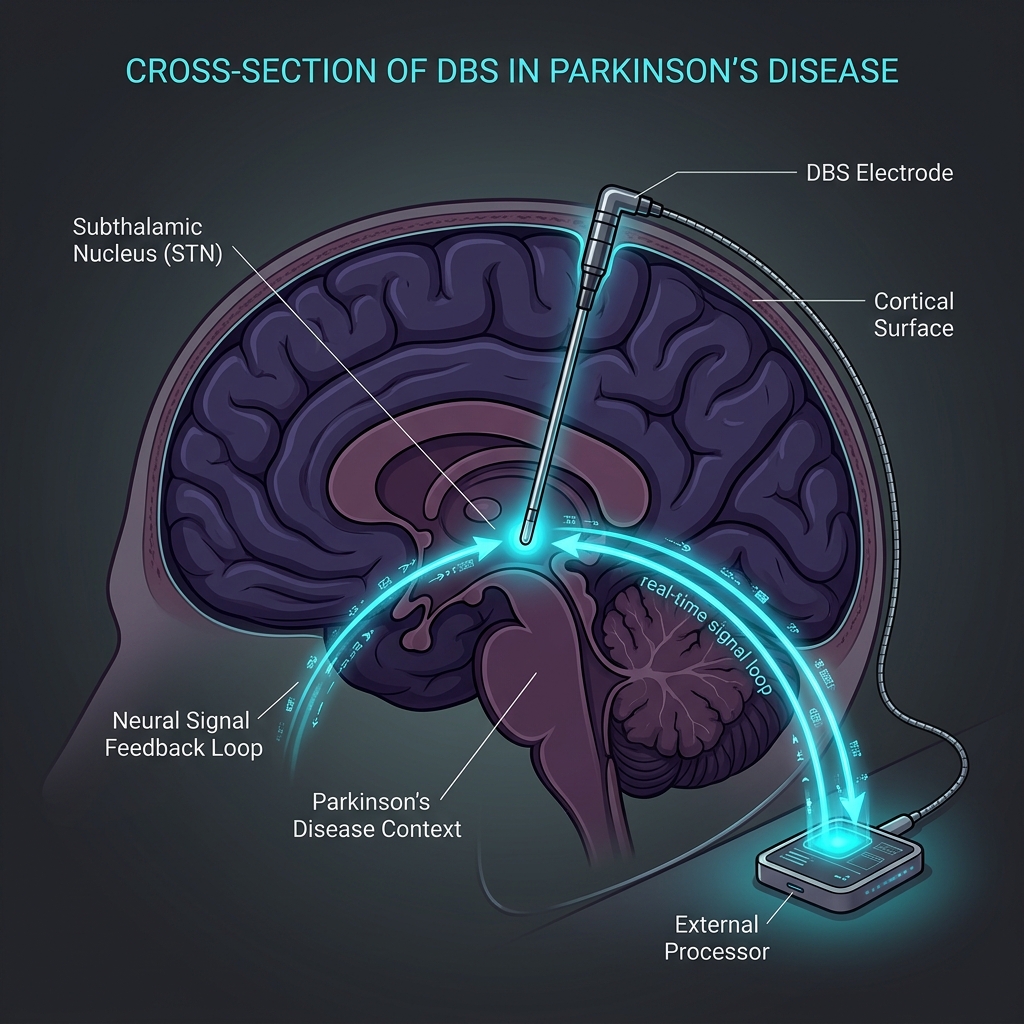
Suicide remains a leading cause of premature mortality worldwide. Current treatments are limited by delayed onset, durability, or poor tolerability. This narrative review, informed by a structured literature search, summarises the last decade of evidence on pharmacological and neuromodulation interventions for suicidal ideation (SI) or suicide attempt (SA) that are not approved for these indications. We searched PubMed for studies enrolling adults with SI or SA, including controlled trials and naturalistic/observational studies. Thirty-four studies were included: 22 pharmacological (13 efficacy, nine effectiveness) and 12 using neuromodulation (nine efficacy, three effectiveness). Across controlled trials, SI commonly improved within days to weeks. Some trials reported SI reduction beyond concurrent depression score changes, suggesting partial independence, but evidence remains inconsistent and method-dependent. Encouraging results were reported for NMDA-related drugs (NRX-101 and high-dose d-cycloserine; amantadine in Borna disease virus-1-positive depression), opioid-system modulation (buprenorphine at ultra-low and high doses in distinct populations), ayahuasca in major and treatment-resistant depression, and adjunctive pimavanserin. Smaller effects were observed for vortioxetine augmentation and insomnia-targeted zolpidem. Large observational datasets reported associations between lower suicidality and folic acid, benztropine, testosterone initiation in transgender adults, and non-vitamin K oral anticoagulants versus warfarin, whereas non-medical cannabis use was associated with worse SI trajectories. Neuromodulation evidence implicated accelerated or targeted repetitive transcranial magnetic stimulation, theta-burst stimulation, and magnetic seizure therapy for SI reduction, with longer-term observational support for vagus nerve stimulation. Future trials should prespecify suicide-related outcomes, test independence from mood change, and assess durability and high-risk transition periods to advance suicide-specific treatment development.
Why This Matters for Body-Mind Practice
[Draft — editorial context needed]
Source
- Emerging pharmacological and neuromodulation interventions for suicidal ideation and behaviour. — European neuropsychopharmacology : the journal of the European College of Neuropsychopharmacology
- European neuropsychopharmacology : the journal of the European College of NeuropsychopharmacologyRead Source →