Overview
Nonsense-mediated RNA decay (NMD) was originally discovered by virtue of its "quality control" function of degrading aberrant mRNAs with premature termination codons (PTCs). NMD was subsequently found to be a highly selective and conserved RNA turnover pathway that also degrades subsets of normal mRNAs harboring stop codons in specific contexts. The discovery that many normal mRNAs encoding full-length normal proteins are degraded by NMD has led to a search for biological functions for NMD. In this review, we focus on the evidence for NMD's roles in early embryonic development, nervous system development, spermatogenesis, thymic development, and other developmental processes in mice. NMD also has roles in stem cells, including dictating self-renewal vs. differentiation decisions in embryonic and neural stem cells. We also discuss evidence for NMD's roles in some adult functions, such as circadian rhythm and neuronal activities. Finally, we highlight NMD's causative roles in some human diseases and how therapeutic intervention of this critical pathway can be modeled in mice.
Why This Matters for Body-Mind Practice
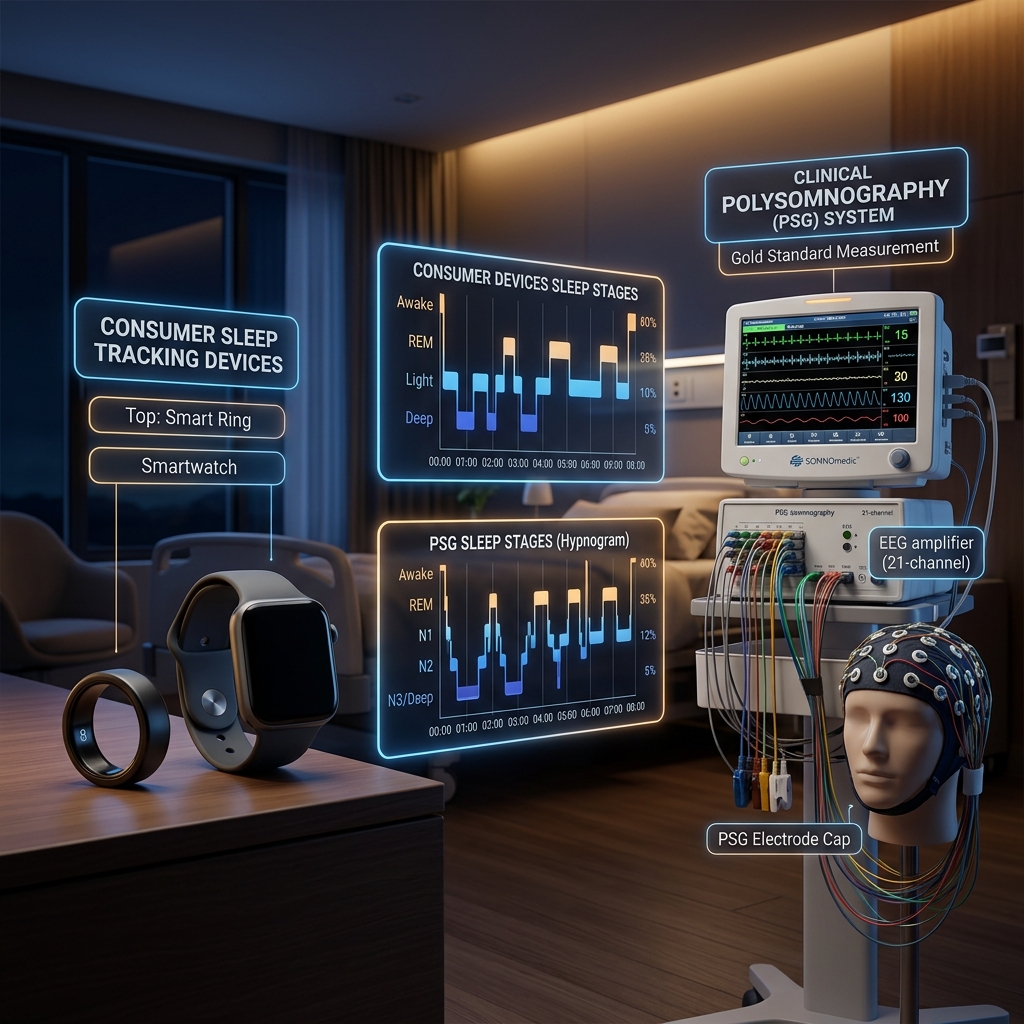
This review consolidates current evidence on sleep and circadian — helping practitioners and individuals make informed decisions based on the latest science.
Source
- Beyond quality control: biological roles of nonsense-mediated RNA decay. — The EMBO journal
- The EMBO journalRead Source →