Overview
The microbiota-gut-brain axis — the bidirectional communication network linking intestinal microorganisms with central nervous system function — has moved from theoretical framework to active clinical research target. In mid-2026, the European Union launched NUTRIMIND, a multi-institution research initiative funded through Horizon Europe, designed to establish microbiome-informed precision psychiatry as a viable clinical approach.
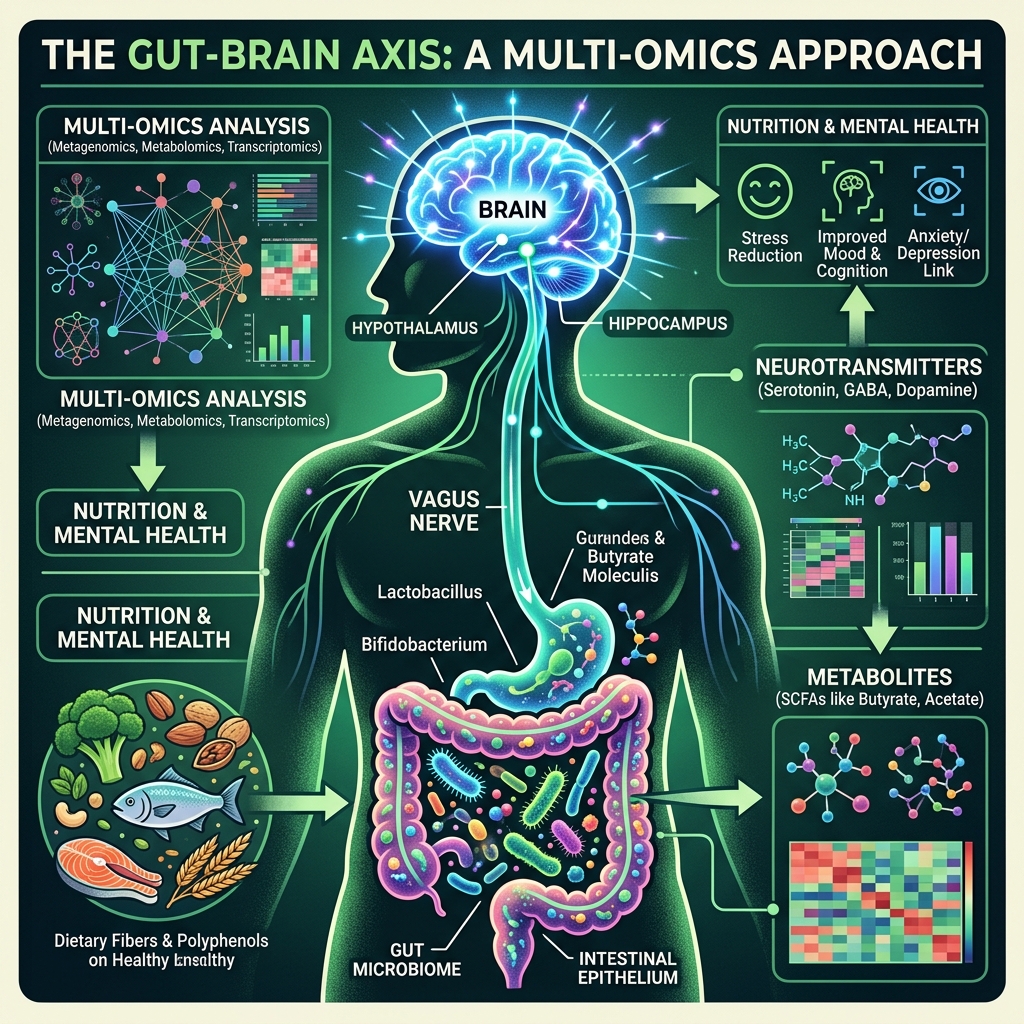
NUTRIMIND integrates three converging technologies: shotgun metagenomics for species-level microbiome profiling, untargeted metabolomics to identify bioactive microbial metabolites (particularly short-chain fatty acids, tryptophan derivatives, and GABA pathway intermediates), and machine learning models trained to predict mental health outcomes from combined microbiome-nutrition-lifestyle data.
The Gut-Brain-Mental Health Connection
The scientific basis for this work rests on established mechanisms through which gut bacteria influence brain function:
- Vagus nerve signaling — enteroendocrine cells in the gut detect bacterial metabolites and transmit signals to the brainstem via the vagus nerve, affecting mood, anxiety, and stress reactivity
- Immune modulation — gut bacteria regulate peripheral inflammation through Th17/Treg balance, with systemic inflammation increasingly recognized as a driver of treatment-resistant depression
- Neurotransmitter production — certain bacterial species produce serotonin precursors, GABA, and dopamine, directly influencing neurotransmitter availability
- Barrier integrity — microbiome dysbiosis increases intestinal permeability, allowing bacterial endotoxins to enter circulation and trigger neuroinflammation
Why This Matters for Body-Mind Practice
NUTRIMIND represents the formalization of what integrative practitioners have long observed: that nutrition, gut health, and mental state are inseparable. The initiative's multi-omics approach could eventually enable practitioners to recommend specific dietary interventions, probiotic strains, or lifestyle modifications based on an individual's microbiome profile and mental health presentation. For body-mind practitioners working with anxiety, depression, or trauma, understanding the gut-brain axis adds a critical physiological dimension to nervous system regulation strategies.
Source
- NUTRIMIND: Microbiome-informed precision psychiatry. — EU Horizon Research Programme