Overview
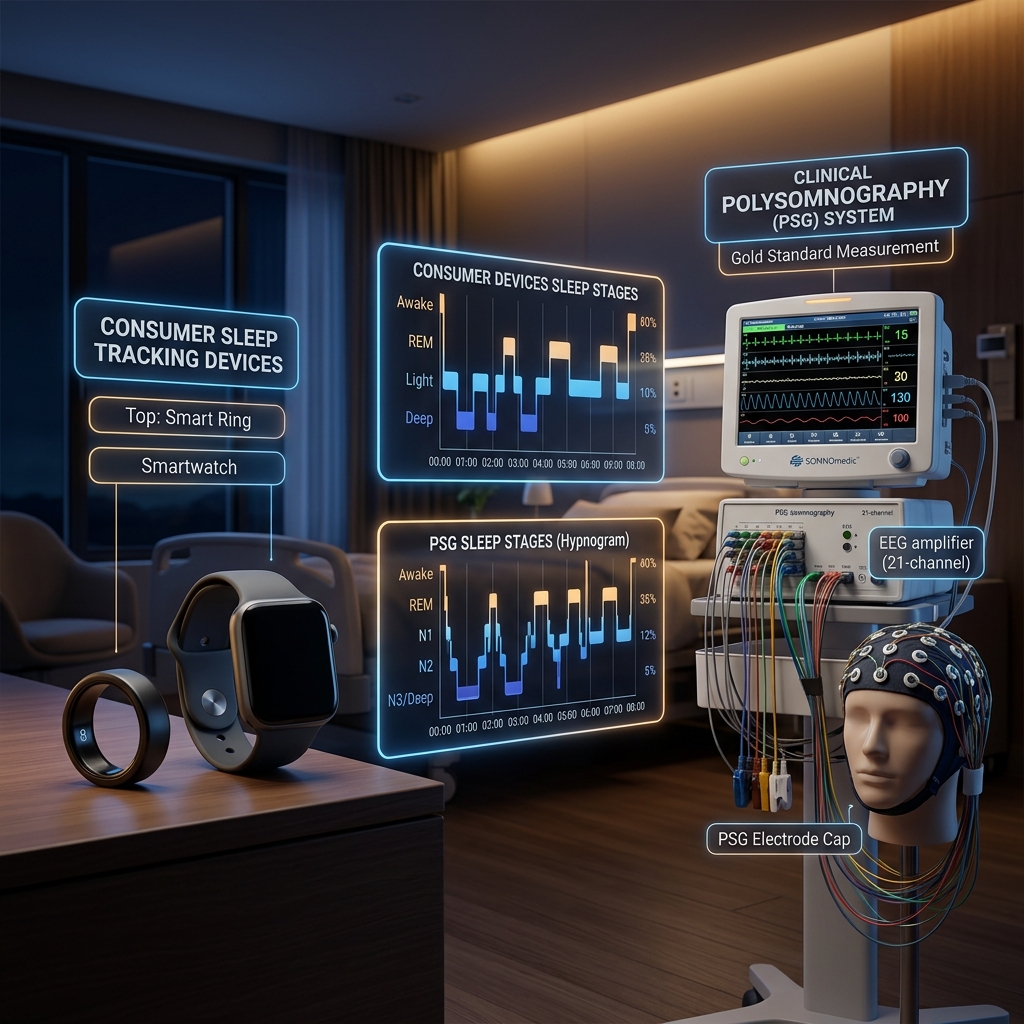
Blue light is a physiological component of visible light, essential for daytime vision and circadian synchronization. There is no evidence supporting the routine use of blue-blocking glasses for preventive or therapeutic purposes. The most effective strategies are based on light hygiene, reduction of nocturnal exposure, and patient education. Strengthening scientific communication is necessary to counter misinformation and maintain an evidence-based ophthalmological discourse. Blue light has been associated with potential effects on visual function, sleep, and circadian physiology, although clinical evidence remains heterogeneous. In recent years, dissemination of claims unsupported by clinical evidence regarding spectral filters for preventive purposes has increased. The aim of this review was to critically analyze the available scientific evidence on the visual, circadian, and systemic effects of blue light and contrast it with messages disseminated through media and social networks. A narrative review of the literature published between 2009 and 2025 was conducted using PubMed, Scopus, and the Cochrane Library, prioritizing human studies and institutional position statements relevant to ophthalmological practice. Available systematic reviews and controlled trials indicate that blue-filtering lenses do not provide clinically meaningful improvements in visual acuity or symptoms of digital eye strain, and show small and inconsistent effects on sleep-related outcomes. Under typical viewing conditions, screen light exposure remains well below levels associated with photochemical retinal damage in experimental models. Therefore, current evidence does not support the routine preventive or therapeutic use of blue-blocking glasses. The most effective strategies rely on light hygiene, reduction of nocturnal light exposure, and patient education.
Why This Matters for Body-Mind Practice
This review consolidates current evidence on sleep and sleep hygiene — helping practitioners and individuals make informed decisions based on the latest science.
Source
- Blue light and melatonin: A critical review of scientific evidence and biohacker myths in ophthalmology. — Archivos de la Sociedad Espanola de Oftalmologia
- Archivos de la Sociedad Espanola de OftalmologiaRead Source →