The Fastest Reset Button You Have
When your nervous system is in overdrive — panic attack, emotional flooding, dissociative episode, rage — the standard advice is to breathe slowly. And that works. Eventually.
But there's something faster.
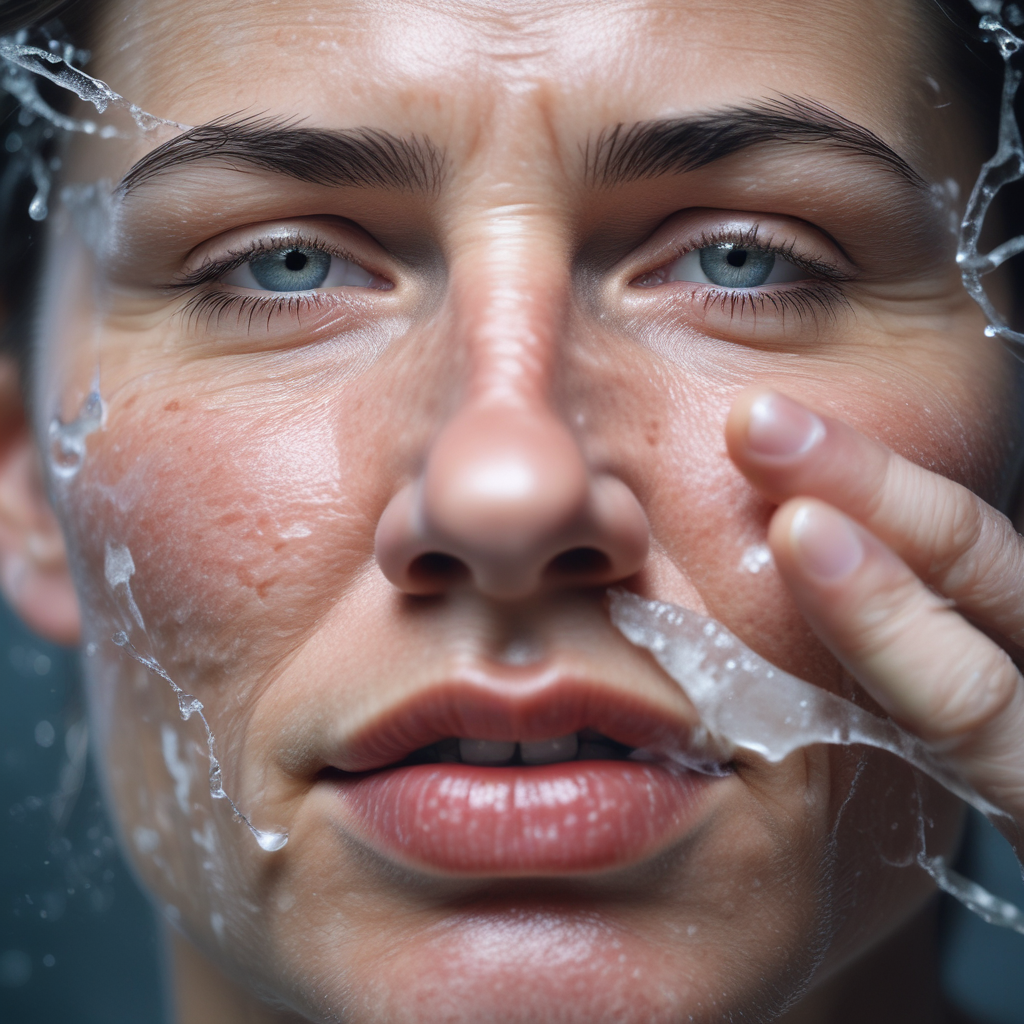
Cold applied to the face activates the mammalian dive reflex, a hardwired autonomic response that slashes heart rate by 10-25% within seconds. No breathing technique, no meditation, no willpower. Just biology.
Therapists, paramedics, and crisis intervention workers have used this for years. The science behind it is solid, and the application is embarrassingly simple.
The Mammalian Dive Reflex
Every mammal has it. When cold water contacts the face — specifically the forehead, temples, and area around the eyes (the ophthalmic branch of the trigeminal nerve) — the brain triggers an immediate parasympathetic cascade:
- Heart rate drops — vagal tone increases sharply, overriding sympathetic activation
- Peripheral vasoconstriction — blood redirects to core organs
- Breathing slows — respiratory rate decreases reflexively
- Blood pressure stabilizes — after an initial brief spike
This isn't a relaxation technique. It's a reflex. It works whether you want it to or not, whether you believe in it or not.
A 2018 study in Frontiers in Physiology documented a mean heart rate reduction of 12 BPM within 15 seconds of cold water facial immersion. In subjects with elevated anxiety, the effect was even more pronounced.
Why This Matters for Dysregulation
When the sympathetic nervous system is fully activated — true fight-or-flight — the prefrontal cortex goes partially offline. This is why people in panic attacks can't "think their way out." Cognitive interventions require cortical function that isn't available during acute sympathetic dominance.
The dive reflex bypasses cognition entirely. It's a brainstem-level override that forces parasympathetic engagement from the bottom up. Once heart rate drops and vagal tone increases, the prefrontal cortex comes back online, and then cognitive strategies become accessible.
This is why cold works when breathing doesn't — it doesn't require the very brain function that's been compromised.
Clinical Applications
Dialectical Behavior Therapy (DBT)
Marsha Linehan's DBT protocol includes cold water as a core "TIP" skill (Temperature, Intense exercise, Paced breathing, Progressive relaxation). Cold is listed first because it works fastest.
The DBT protocol: hold an ice pack or cold wet cloth to the face, covering forehead and cheeks, for 30-60 seconds. Alternatively, submerge the face in a bowl of cold water.
Panic Disorder
A 2020 case series in Behavior Modification documented patients with treatment-resistant panic disorder who achieved rapid symptom reduction using cold facial immersion as a first-line intervention, followed by breathing techniques once heart rate normalized.
Dissociation and Emotional Numbness
Cold also works in the opposite direction. For dissociative states — emotional numbness, depersonalization, feeling "frozen" — cold provides intense sensory input that re-engages the body. Holding ice cubes, running cold water over the hands, or placing cold packs on the back of the neck can interrupt the dorsal vagal shutdown response described in Polyvagal Theory.
Anger and Emotional Flooding
The same dive reflex that interrupts panic also interrupts rage. Cold facial contact reduces sympathetic arousal regardless of the emotional trigger. This is increasingly used in anger management protocols and couples therapy as a "circuit breaker."
Practical Protocols
For Panic / Acute Anxiety
- Fill a bowl with cold water (10-15°C)
- Hold your breath and submerge your face for 15-30 seconds
- Alternative: press a cold pack or bag of frozen vegetables to your forehead and cheeks
- Effect begins within 15 seconds
For Dissociation / Emotional Numbness
- Hold ice cubes in both hands
- Run cold water over the insides of your wrists
- Place a cold pack on the back of the neck (vagus nerve pathway)
- Focus on the sensation — the cold is the anchor
For Rapid State Change (General)
- Splash cold water on your face — even a bathroom sink works
- The key is the trigeminal nerve territory: forehead, around the eyes, cheeks
- Water below 15°C is most effective; ice-cold isn't necessary
What Doesn't Work
- Cold on the body alone (arms, legs, chest) without facial contact — the dive reflex requires trigeminal nerve activation
- Very brief contact (< 5 seconds) — the reflex needs a minimum stimulus duration
- Warm water on the face — temperature must be noticeably cold
The Science Is Not New
The dive reflex was first documented in the 1870s. Clinical applications for anxiety were described in the 1960s. What's new is the integration into modern trauma-informed care and the understanding of why it works through the lens of Polyvagal Theory.
Stephen Porges' framework explains the dive reflex as a direct vagal override of the sympathetic state — the ventral vagal complex being recruited by sensory input to shift the autonomic nervous system from defense to safety.
When to Use This
Cold isn't a treatment for underlying conditions. It's an intervention for acute states. Think of it as a fire extinguisher, not a sprinkler system.
Use cold for:
- Acute panic or anxiety attacks
- Emotional flooding during conflict
- Dissociative episodes
- Pre-performance anxiety
- Rage or impulse control moments
- Nighttime anxiety or racing thoughts
Then follow with sustained regulation: slow breathing, grounding, or whatever longer-term practice works for you. Cold opens the window. You still have to walk through it.
The most sophisticated nervous system tool costs nothing, requires no training, and fits in your freezer.
Watch: How Cold Triggers Your Nervous System
Dr. Andrew Huberman explains how cold water on the face and hands activates the dive reflex — triggering an immediate parasympathetic shift that drops heart rate and resets the stress response within seconds.