Overview
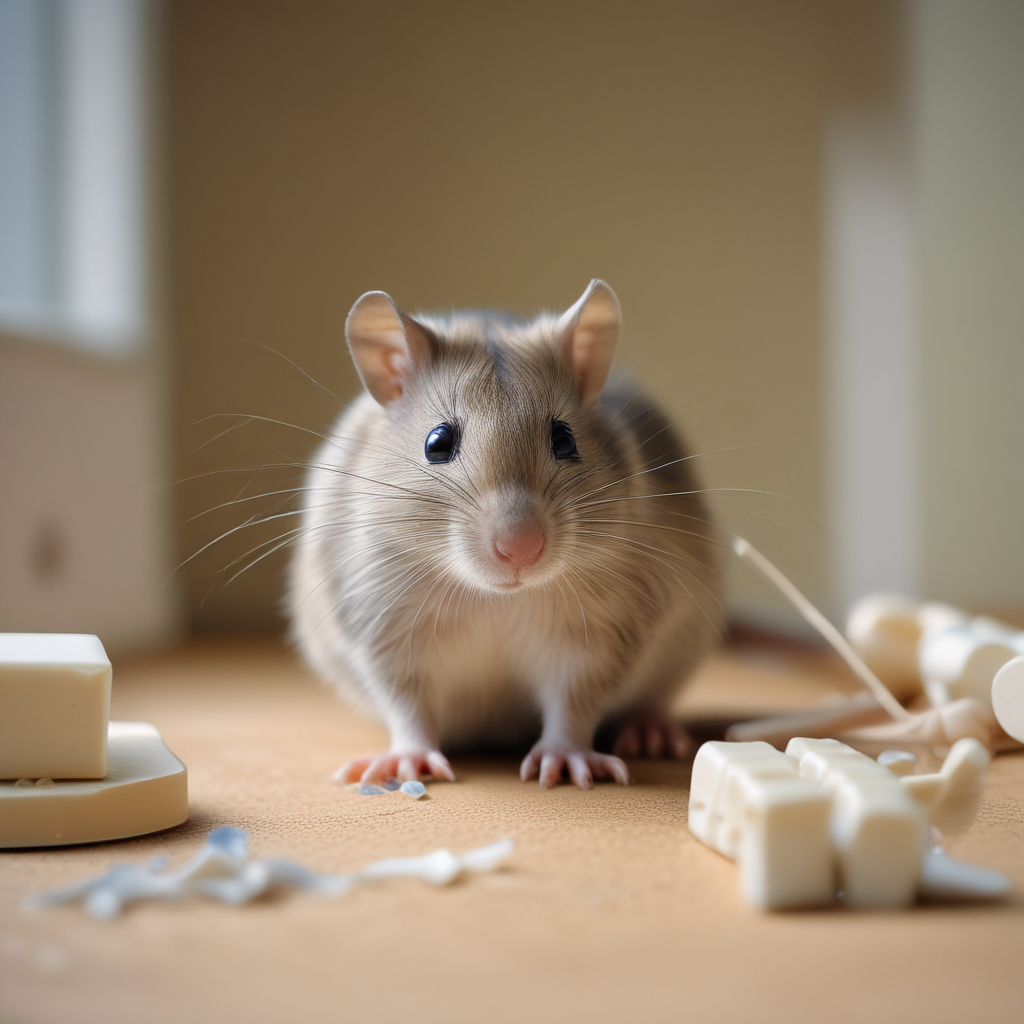
Creatine monohydrate is one of the most widely used dietary supplements worldwide, and growing preclinical evidence suggests it may exert cognitive benefits beyond its established role in energy metabolism. However, the conditions under which these effects emerge, and the neurobiological mechanisms mediating them, remain incompletely characterised. A systematic review was conducted following PRISMA 2020 guidelines, searching Scopus, PubMed, and Web of Science for experimental studies published between 2015 and 2026. Studies were eligible if they evaluated the effects of creatine supplementation on cognitive performance in rodent models and reported behavioural and/or neurobiological outcomes. Risk of bias was assessed using SYRCLE's tool for animal studies. Nineteen studies were included, comprising experiments rodents across healthy animals and models of neurodegeneration, metabolic insult, perinatal stress, and creatine biosynthesis deficiency. Creatine improved learning and memory in the majority of studies. The magnitude of cognitive benefits was moderated by route of administration, with intranasal delivery showing superior brain uptake and cognitive effects relative to oral supplementation, treatment duration, and sex. Mechanistically, cognitive improvements were associated with enhanced mitochondrial respiratory capacity, upregulation of synaptic plasticity proteins (CaMKII, PSD-95, BDNF) via CaMKII/CREB and PI3K/AKT/mTOR signalling, attenuation of neuroinflammation through NF-κB suppression and STAT1 inhibition, and reduction of oxidative stress through CK-BB restoration. Preclinical evidence consistently supports a cognitive-enhancing role for creatine, mediated by a convergent set of energetic, synaptic, anti-inflammatory, and antioxidant mechanisms. Translating these findings to clinical applications will require brain-targeted delivery strategies, systematic consideration of sex as a biological variable, and mechanistically rigorous study designs.
Why This Matters for Body-Mind Practice
This review consolidates current evidence on recovery and overtraining — helping practitioners and individuals make informed decisions based on the latest science.
Source
- Creatine and Cognitive Function in Rodents: A Systematic Review of Behavioral and Neurobiological Evidence. — Behavioural brain research
- Behavioural brain researchRead Source →