Removing Everything
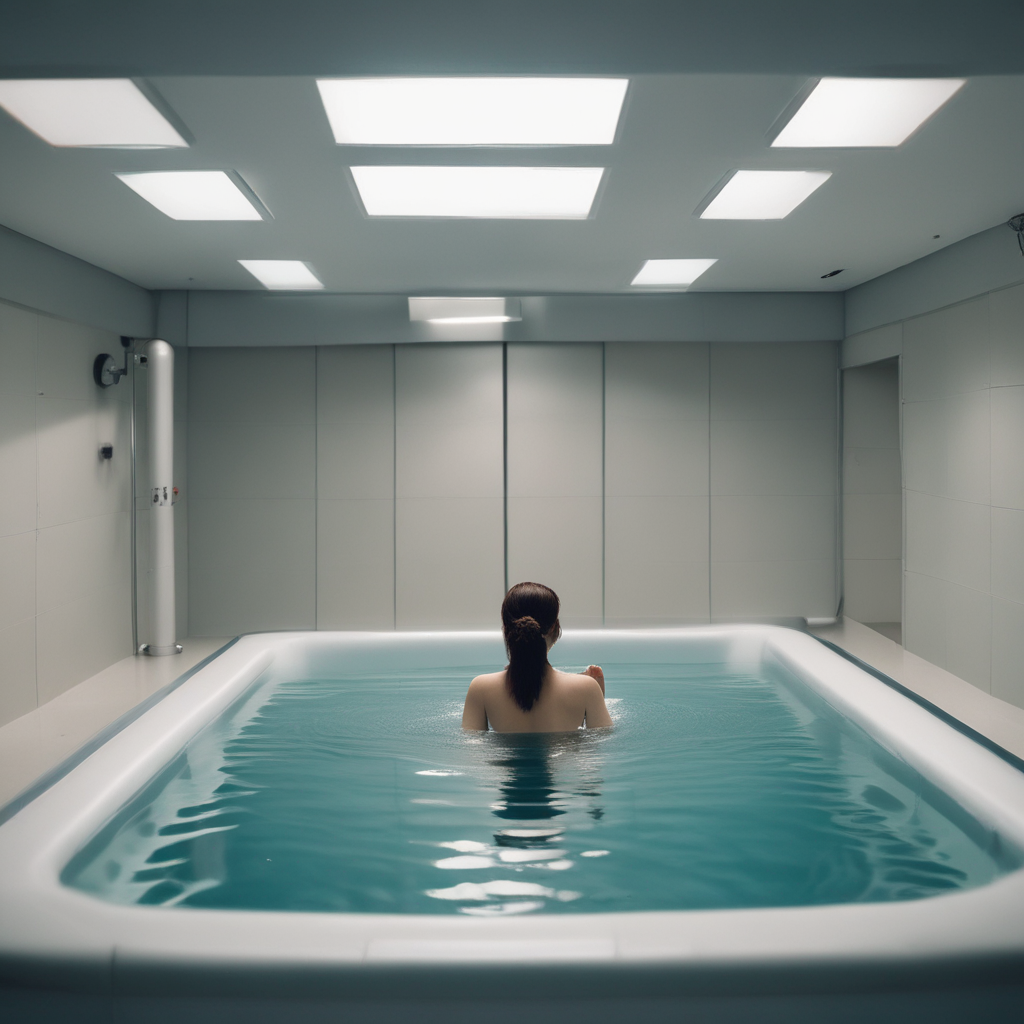
A float tank — technically called a Restricted Environmental Stimulation Technique (REST) chamber — is a lightproof, soundproof enclosure containing 10 inches of water saturated with 1,000 pounds of Epsom salt. The water is heated to skin temperature (93.5°F/34.1°C).
When you lie in it, you float effortlessly. You can't tell where your body ends and the water begins. There's no light. No sound. No temperature differential. No gravity load.
Every external sensory input your nervous system normally processes — gone.
What happens next is not relaxation in the way most people think of it. It's a measurable reorganization of neural activity.
The Neurophysiology of Nothing
When external sensory input drops to near-zero, the brain doesn't just "relax." It shifts processing modes:
Cortisol drops sharply. A 2018 study in PLOS ONE by Dr. Justin Feinstein at the Laureate Institute for Brain Research measured cortisol levels before and after a single 90-minute float session. Mean cortisol dropped by 21.6% — a magnitude comparable to benzodiazepine administration, without the sedation or cognitive impairment.
Theta wave activity increases. EEG recordings during floating show a significant shift toward theta frequencies (4-8 Hz) — the same brainwave pattern seen during deep meditation, hypnagogic states, and the transition between waking and sleep. Experienced meditators spend years training to access theta states. Floating produces them within 20-40 minutes in naive subjects.
Interoceptive signal amplification. With external input removed, the brain's attention redirects to internal signals — heartbeat, breathing, gut activity, muscle tension. This enhanced interoceptive awareness persists after the session, and multiple studies link it to improved emotional regulation.
Default mode network shifts. Preliminary fMRI data from the LIBR float lab shows altered default mode network connectivity during floating — similar to patterns seen during mindfulness meditation and psychedelic states, though less pronounced.
Chronic Pain
The most compelling clinical data for floating involves chronic pain. A 2016 Swedish study followed 37 patients with chronic pain conditions through a course of 12 float sessions over 7 weeks. Results:
- Pain intensity decreased by 24% (Visual Analog Scale)
- Sleep quality improved by 31% (Pittsburgh Sleep Quality Index)
- Anxiety decreased by 35% (Hospital Anxiety and Depression Scale)
- Effects persisted at 4-month follow-up
The mechanism appears to involve the reduction of proprioceptive and nociceptive input. Chronic pain involves central sensitization — the nervous system amplifying pain signals. By removing all peripheral input, floating may allow the central nervous system to recalibrate its sensitivity threshold.
Anxiety
Feinstein's research at LIBR has focused specifically on anxiety disorders. His team has demonstrated:
- Single float sessions produce anxiolytic effects comparable to or exceeding standard pharmacological treatments
- Patients with the highest baseline anxiety show the largest improvements — the opposite of a ceiling effect
- The anxiety reduction correlates with enhanced interoceptive accuracy — patients become better at perceiving their actual physiological state rather than catastrophizing about it
- Effects are not dependent on "believing in" floating — the physiological response occurs regardless of expectation
A 2023 follow-up study with clinical anxiety patients (GAD, PTSD, panic disorder) showed that 8 weekly float sessions produced sustained anxiety reduction that persisted at 6-month follow-up.
What It's Not
Floating isn't magic and it isn't for everyone:
- Claustrophobia is a real barrier. Modern float rooms (as opposed to enclosed pods) help, but some people can't tolerate the darkness regardless of room size
- It's not a substitute for therapy in trauma populations. Removing external input can occasionally trigger dissociative episodes in people with unprocessed trauma
- The first session is often uncomfortable. Racing thoughts, restlessness, and difficulty "letting go" are common. Most practitioners report significant improvement by the third session
- Hygiene and maintenance of commercial float facilities varies widely, which affects both safety and experience quality
The Protocol
For nervous system benefits:
- Minimum effective dose: 60-minute sessions, weekly, for at least 4 sessions before evaluating
- Optimal session length: 90 minutes allows full theta-state transition
- Frequency: Weekly sessions show cumulative benefits; more frequent doesn't appear to improve outcomes proportionally
- Post-float: 15-20 minutes of quiet sitting after the session allows integration; immediately returning to screens and noise partially negates the recalibration effect
Zero input. Maximum recalibration. The nervous system was never designed for constant stimulation — and floating is the only practice that truly removes it all.
Watch: What Happens to Your Brain in a Float Tank
A deep dive into sensory deprivation — how removing all external stimuli in an Epsom salt float tank shifts the brain from beta to theta waves, reduces cortisol, and activates the default mode network.