Overview
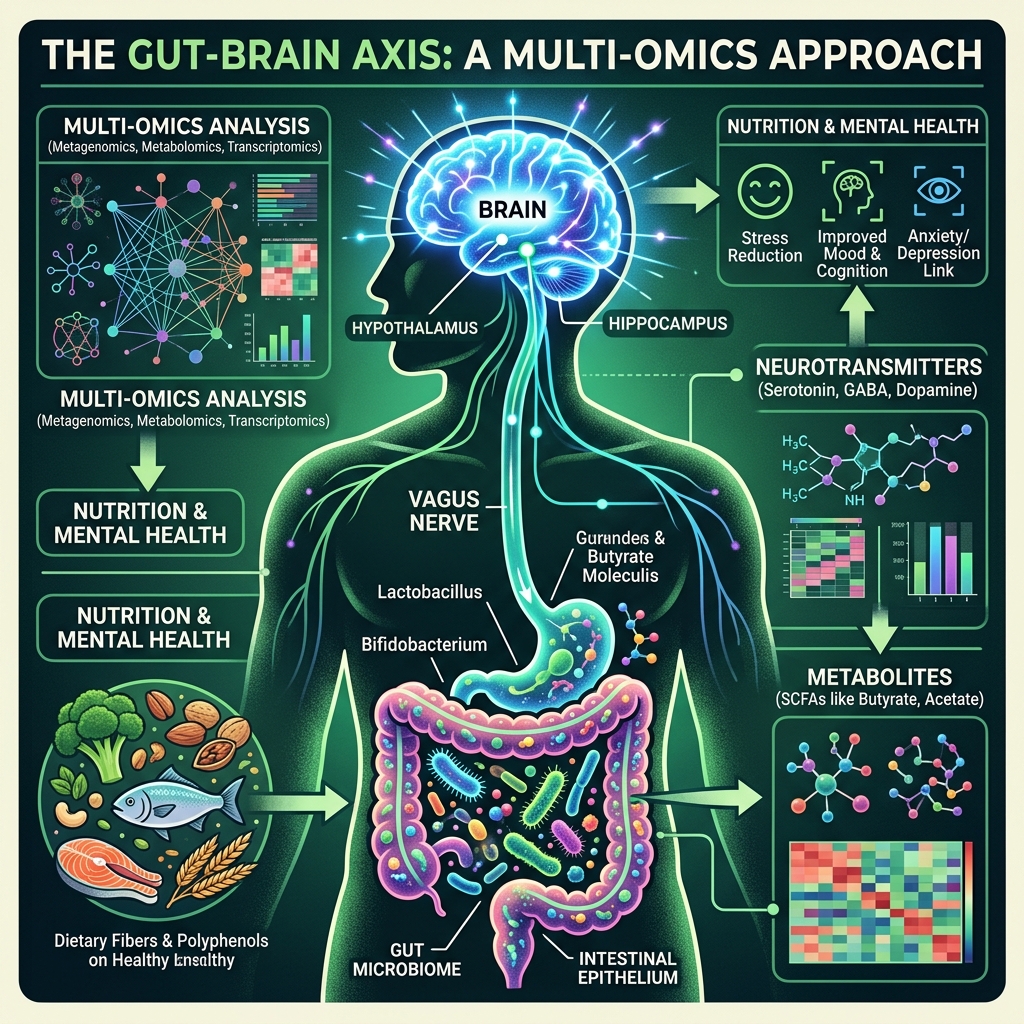
Sunlight exposure has shaped the evolutionary biology of most life forms through circadian entrainment. Full-spectrum sunlight regulates circadian rhythms, modulates gut and skin microbiomes, influences the gut-brain-skin axis, and drives dermal melanin and vitamin D synthesis. The skin acts as the body's largest photoreceptive organ and neuroendocrine hub. Melanocytes, keratinocytes, and immune cells in the skin translate photons into hormonal, metabolic, and neuronal signals. Melanin, present across vertebrate tissues, bacteria, and fungi, is a unifying photoreceptive molecule whose redox properties and signaling within the melanocortin pathway bridge host and microbial photic cues. Light signals the suprachiasmatic nucleus, triggering hypothalamic-pituitary-adrenal glucocorticoid release and peripheral clock expression throughout the gut-brain-skin axis, influencing rhythmic gastrointestinal functions, short-chain fatty acid production, and vagal feedback to the brain. Microbial photoreceptors, including melanin, flavins, and cryptochromes, extend the photoneuroendocrinology into the holobiont, revealing a shared molecular pathway through which light calibrates the host-microbe interactions. Shift work, nocturnal blue light, sun avoidance, abnormal feeding times, and circadian desynchrony disrupt the gut-brain-skin axis, resulting in dysbiosis, intestinal and skin epithelial barrier dysfunction, shifts in immune signaling, and metabolic disorders. Vitamin D intersects with these pathways, yet its possible circadian regulation remains unknown. This review synthesizes evidence positioning host and microbial melanin as the key signaling molecule of the melanocortin pathway, which is inherently circadian-regulated, governing metabolic and immune homeostasis across the gut-brain-skin axis. We outline mechanistic models and research gaps, and propose that reframing melanin as a holobiont photoreceptor opens therapeutic opportunities across dermatology, gastroenterology, and neuroendocrinology.
Why This Matters for Body-Mind Practice
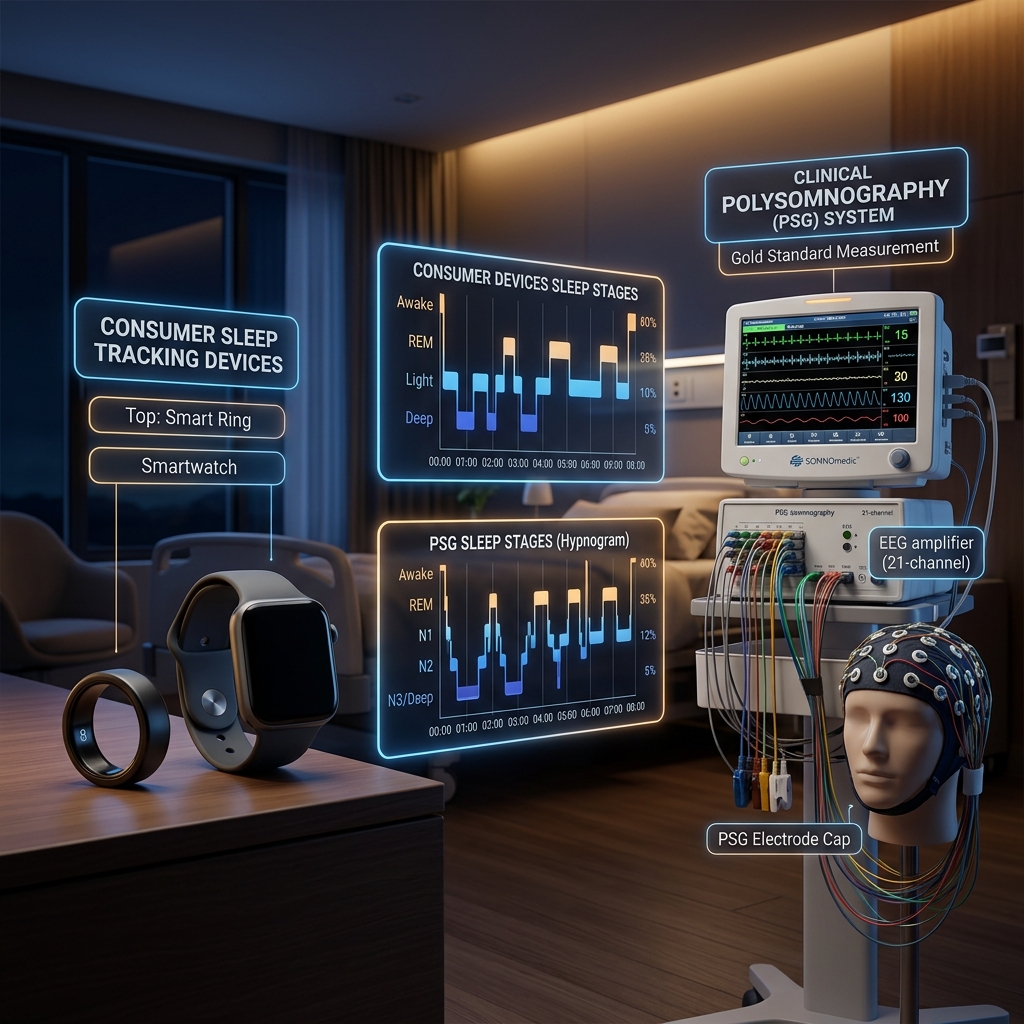
This review consolidates current evidence on sleep and circadian — helping practitioners and individuals make informed decisions based on the latest science.
Source
- Light, melanin, and the microbial clock: Rewiring the gut-brain-skin axis. — Frontiers in neuroendocrinology