Overview
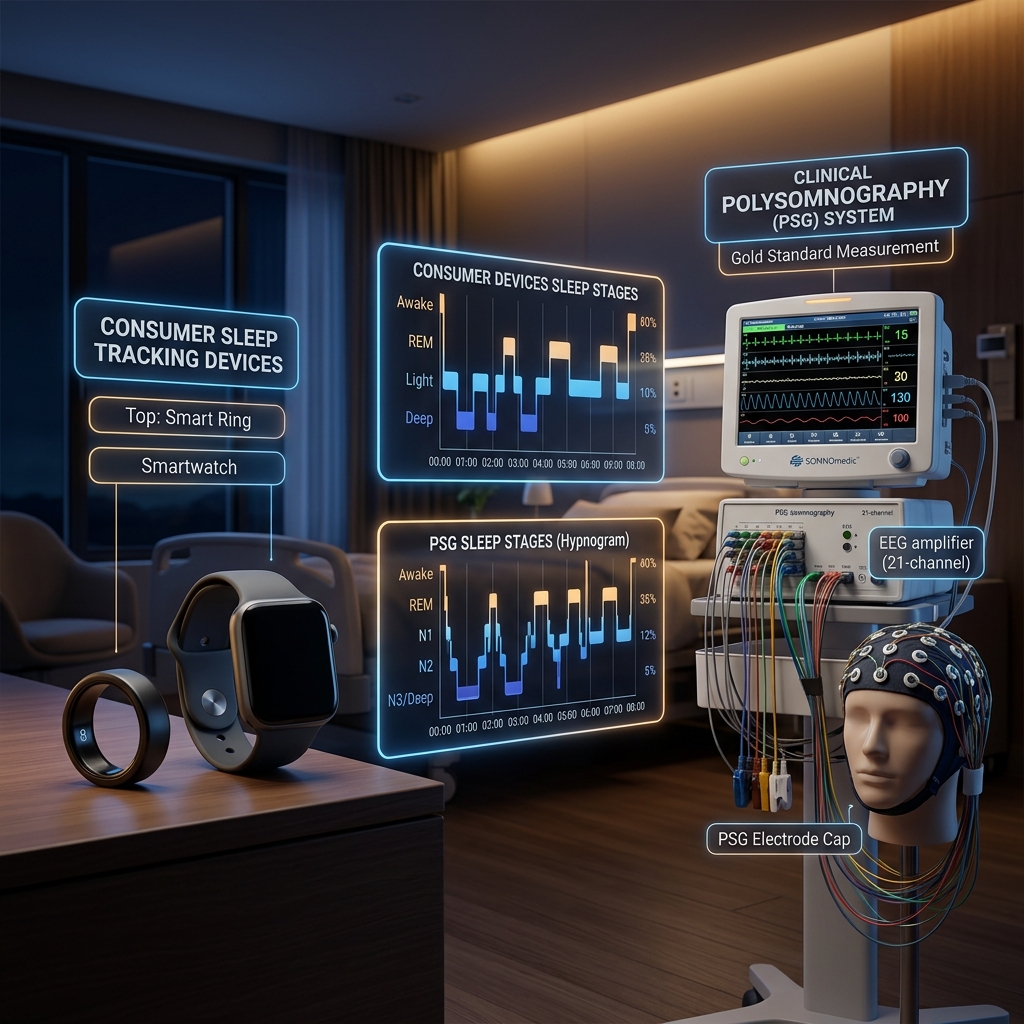
Obstructive Sleep Apnea (OSA) is a prevalent respiratory disorder affecting millions worldwide, yet it remains underdiagnosed due to limitations in conventional diagnostic methods such as polysomnography. Recent advances in wearable technology and the integration of Internet of Things (IoT)-based systems have expanded options for OSA detection, offering real-time monitoring and improved accessibility. This paper presents a comprehensive survey of state-of-the-art diagnostic techniques, highlighting emerging wearable solutions, IoT-enabled data transmission, and machine learning algorithms for classification. While portable biomedical devices like HSAT and Morphea enhance patient comfort, challenges such as sensor displacement and measurement sensitivity persist. Furthermore, cloud-based analysis and smart patch antennas demonstrate feasibility in early studies but require rigorous validation and optimization to ensure accuracy and reliability. By synthesizing current advances, this study underscores the need for further research on sensor precision, algorithmic enhancements, and data integration to foster innovation toward effective and accessible OSA diagnostics.
Why This Matters for Body-Mind Practice
This review consolidates current evidence on wearables and validation — helping practitioners and individuals make informed decisions based on the latest science.
Source
- Digital healthRead Source →