Your heart does more than respond when something frightens you. Its timing can also influence how you perceive a frightening face.
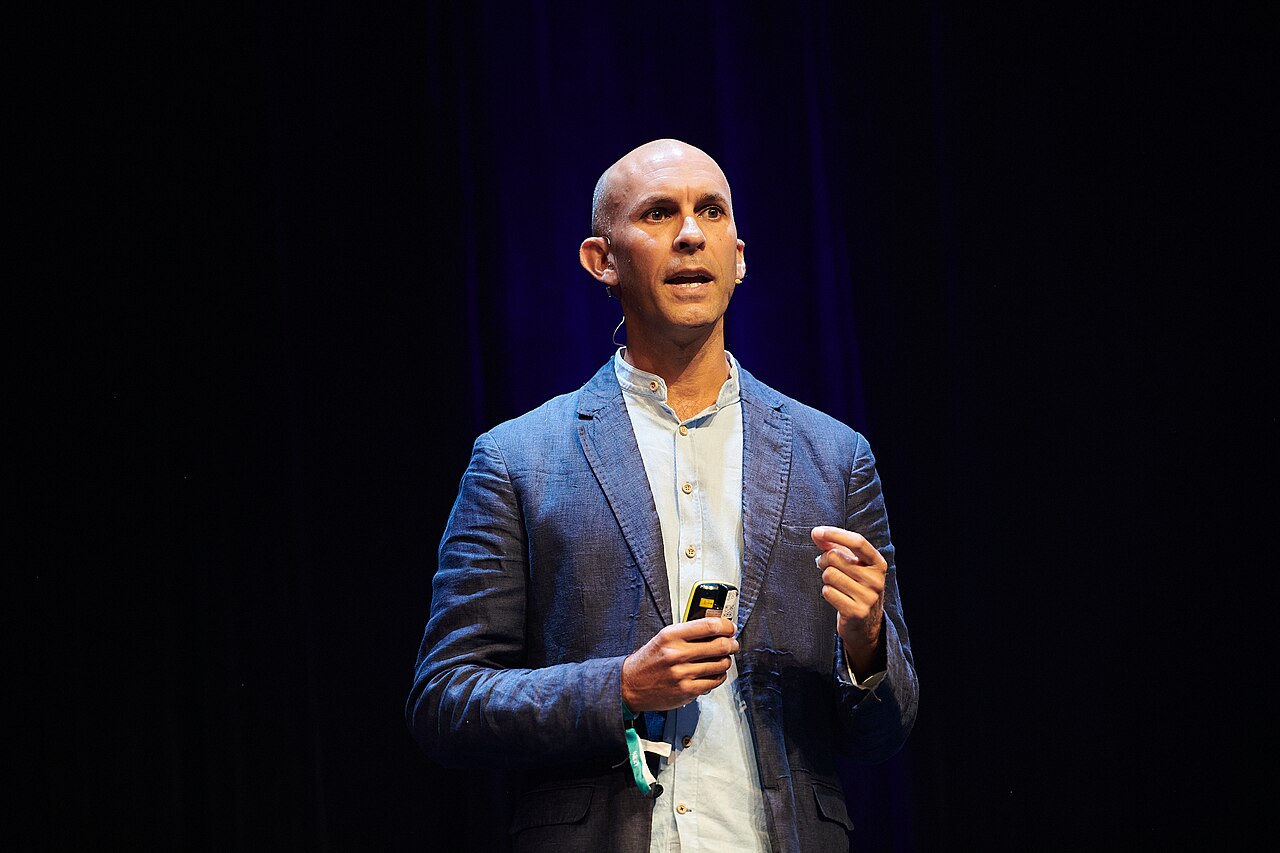
Meet Sarah Garfinkel, Professor of Cognitive Neuroscience at UCL. She studies interoception: how we sense signals from inside the body, and how those signals interact with thinking and feeling.
In a 2014 study, Garfinkel and colleagues timed pictures of faces to different moments in participants’ heartbeats. Fearful faces were detected more readily, and judged more intense, during the heart’s contraction phase than between contractions.
The researchers also measured brain activity. The result connected an everyday bodily rhythm with the processing of emotional information.
Your heart was contributing to the meeting. Apparently it had not been sent the agenda.
But this was a controlled laboratory task. It does not mean every heartbeat makes us frightened. Later work found that effects varied with the task and the emotion being tested.
That distinction matters. Sensing the body, interpreting its signals and feeling anxious are related questions; they are not interchangeable answers.
Garfinkel’s wider research asks how body–brain interactions shape emotion and cognition, including in clinical conditions. The ambition is to understand mechanisms that could inform better care. An interesting mechanism is not, by itself, an established treatment.
And there is a connection to our previous profile: Anil Seth was a co-author of that 2014 paper.
The question to carry with you: when you describe a feeling, how much of the story begins inside your body?
The original research and further reading are linked with this profile.